The 10 Best Porcelain Crown Clinics in Bali (2026)
Chosen from 26 clinics, prices compared.
Updated
A porcelain crown is a full-coverage cap that encases an entire prepared tooth, restoring a tooth too damaged for a veneer or filling to fix. Australians and other visitors choose Bali for crowns because the same restoration costs far less than at home: a porcelain crown in Australia typically runs AUD 1,500 to 2,800 per crown, while in Bali it costs between IDR 4,500,000 and IDR 7,000,000 (roughly AUD 450 to 700). Our directory compares Porcelain Crown across 26 clinics in Bali, and this page lists the 10 best, so you can weigh price against ratings before you book.
Porcelain Crown is compared across 26 Bali clinics in our directory; the 10 best are listed on this page. Among those with published pricing, the cost runs IDR 4,500,000 to IDR 7,000,000 per crown. Two of the top-rated options are Uluwatu Dental Care (4.9/5, 1,434 reviews) and BIA (Bali Implant Aesthetic) Dental Center (4.9/5, 1,150 reviews).
The cheapest porcelain crown among the 10 clinics listed here starts at AUD $428 at BIA (Bali Implant Aesthetic) Dental Center.
Cheapest of the 10
AUD $428
Average of the 10
AUD $513
Most Expensive of the 10
AUD $665
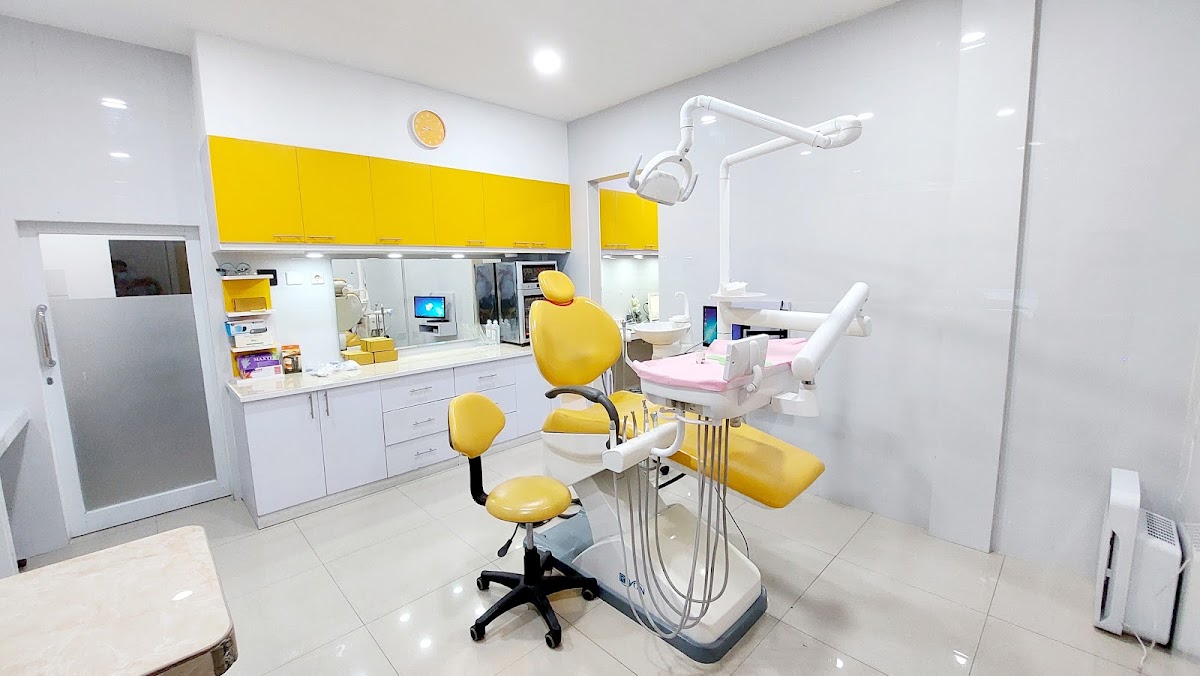
The most-reviewed dental clinic in Bali with 1,400+ reviews. Patients praise Dr. Fajar and Dr. Komang for gentle, detailed treatment. Serves 300+ foreign patients monthly in the Uluwatu area.
The most-reviewed dental clinic in Bali with 1,400+ reviews. Patients praise Dr. Fajar and Dr. Komang for gentle, detailed treatment. Serves 300+ foreign patients monthly in the Uluwatu area.
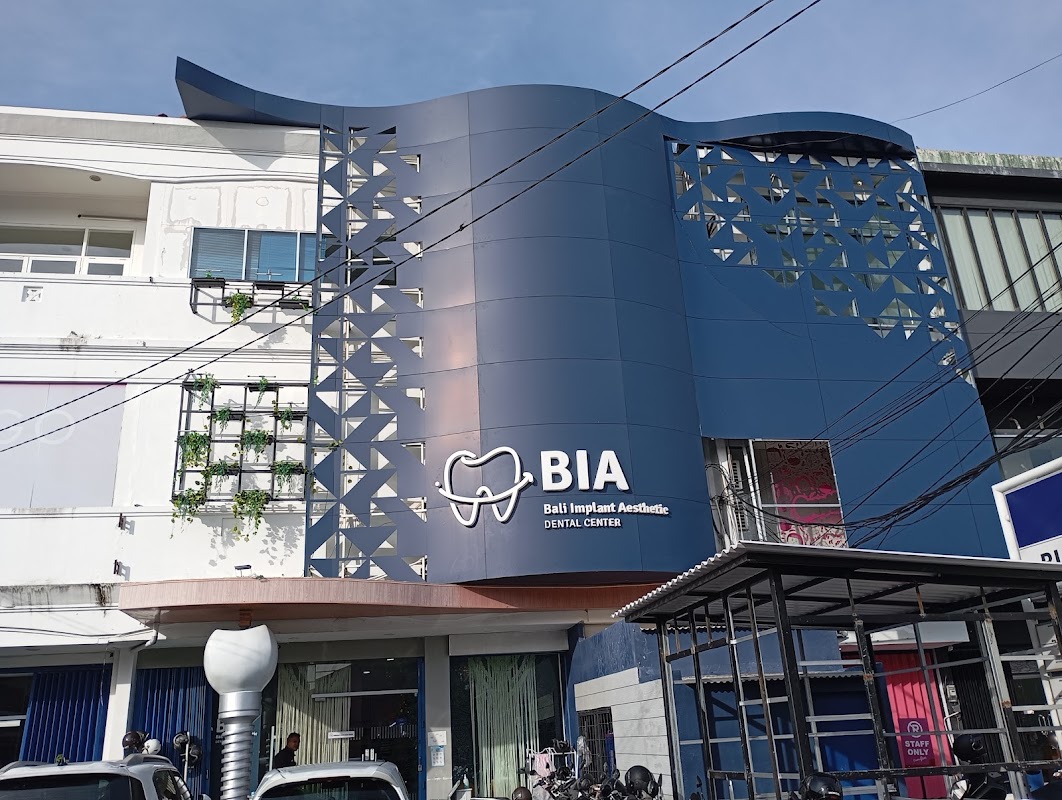
Patients praise the warm welcome, professional doctors, and clean, modern facilities. Highly rated for scaling, smile makeovers, and implants. Excellent follow-up communication from first message to aftercare.
Patients praise the warm welcome, professional doctors, and clean, modern facilities. Highly rated for scaling, smile makeovers, and implants. Excellent follow-up communication from first message to aftercare.
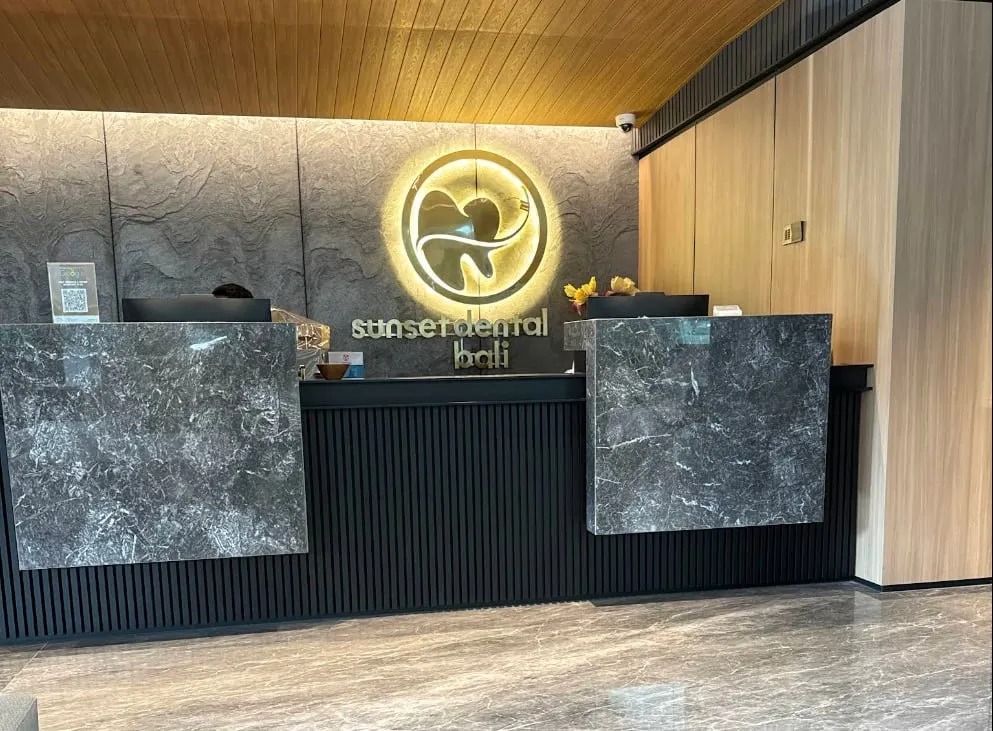
Patients consistently praise the knowledgeable, honest dentists and modern facilities. Popular for aligners, implants, and cleanings. Dual Seminyak and Ubud locations suit travelers across Bali.
Patients consistently praise the knowledgeable, honest dentists and modern facilities. Popular for aligners, implants, and cleanings. Dual Seminyak and Ubud locations suit travelers across Bali.

Patients praise Dr. Maureen for expert aligner and aesthetic work. Digital Smile Design lets you preview results first. Long-term clients return for years. Strong reputation for smile makeovers.
Patients praise Dr. Maureen for expert aligner and aesthetic work. Digital Smile Design lets you preview results first. Long-term clients return for years. Strong reputation for smile makeovers.
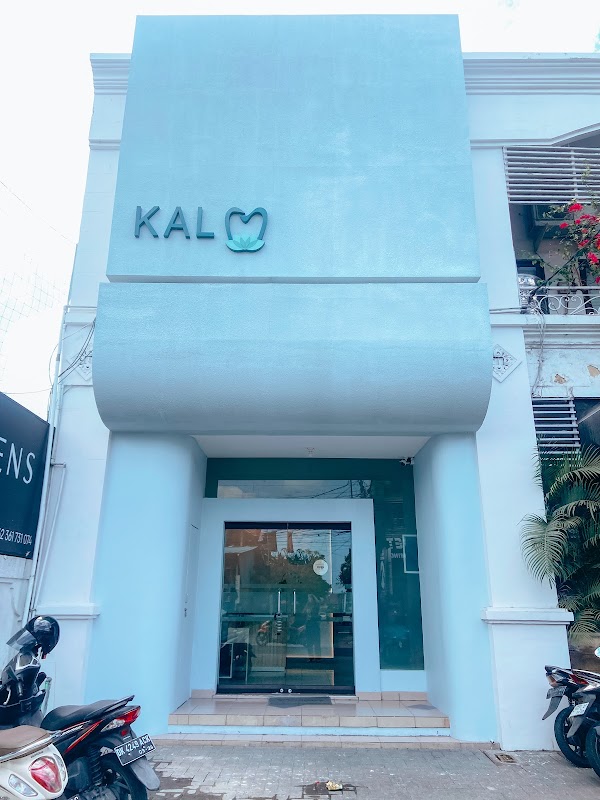
Patients praise the modern, hygienic facilities and gentle, anxiety-free care. Frequently recommended for root canals, veneers, and implants. Multiple reviewers highlight transparent pricing.
Patients praise the modern, hygienic facilities and gentle, anxiety-free care. Frequently recommended for root canals, veneers, and implants. Multiple reviewers highlight transparent pricing.
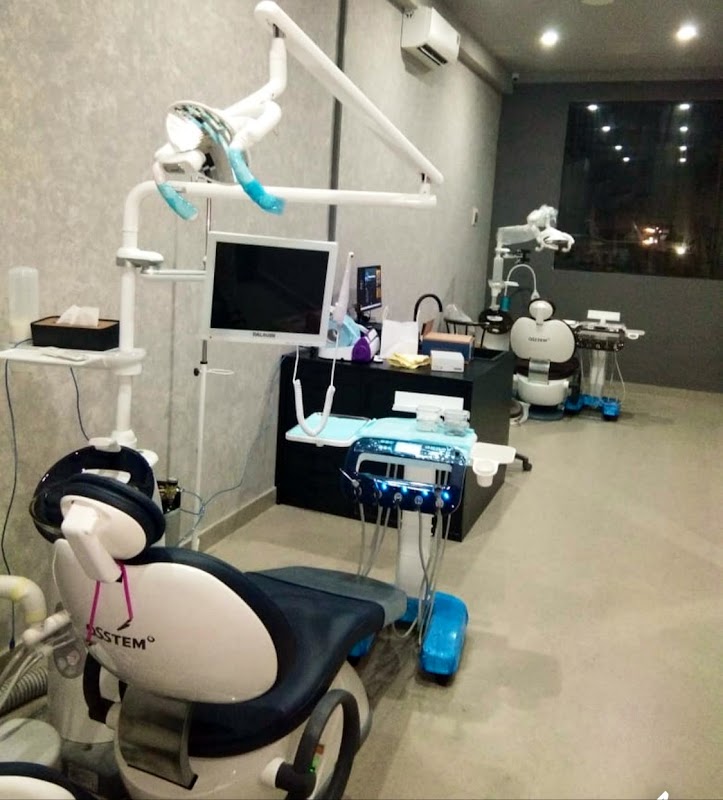
Patients highlight excellent value for money and thorough, professional cleanings. Dr. Gabriella receives frequent praise. Transparent assessment process with options explained clearly before treatment.
Patients highlight excellent value for money and thorough, professional cleanings. Dr. Gabriella receives frequent praise. Transparent assessment process with options explained clearly before treatment.
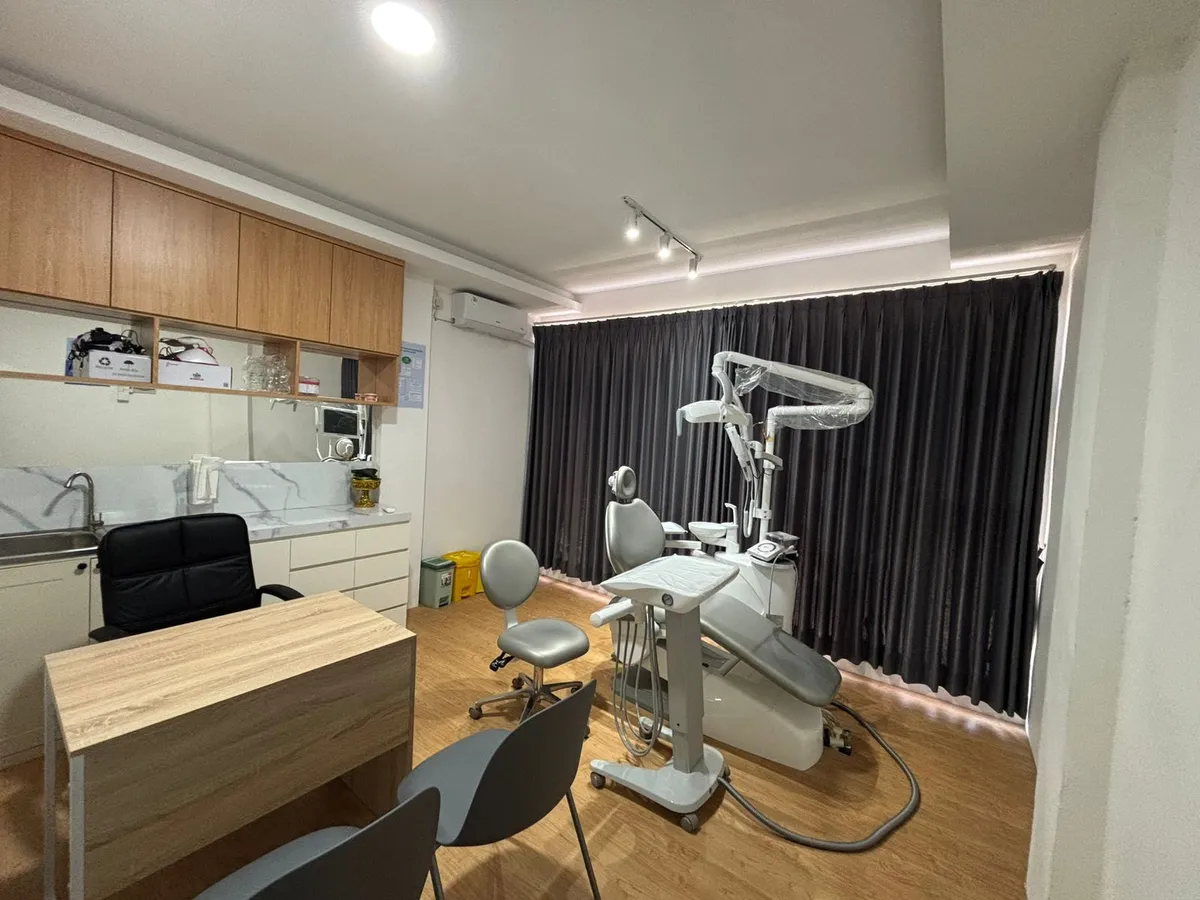
Patients consistently praise the professionalism and welcoming staff. One of few clinics with 24/7 dental availability. Slightly hidden location but excellent service once inside.
Patients consistently praise the professionalism and welcoming staff. One of few clinics with 24/7 dental availability. Slightly hidden location but excellent service once inside.
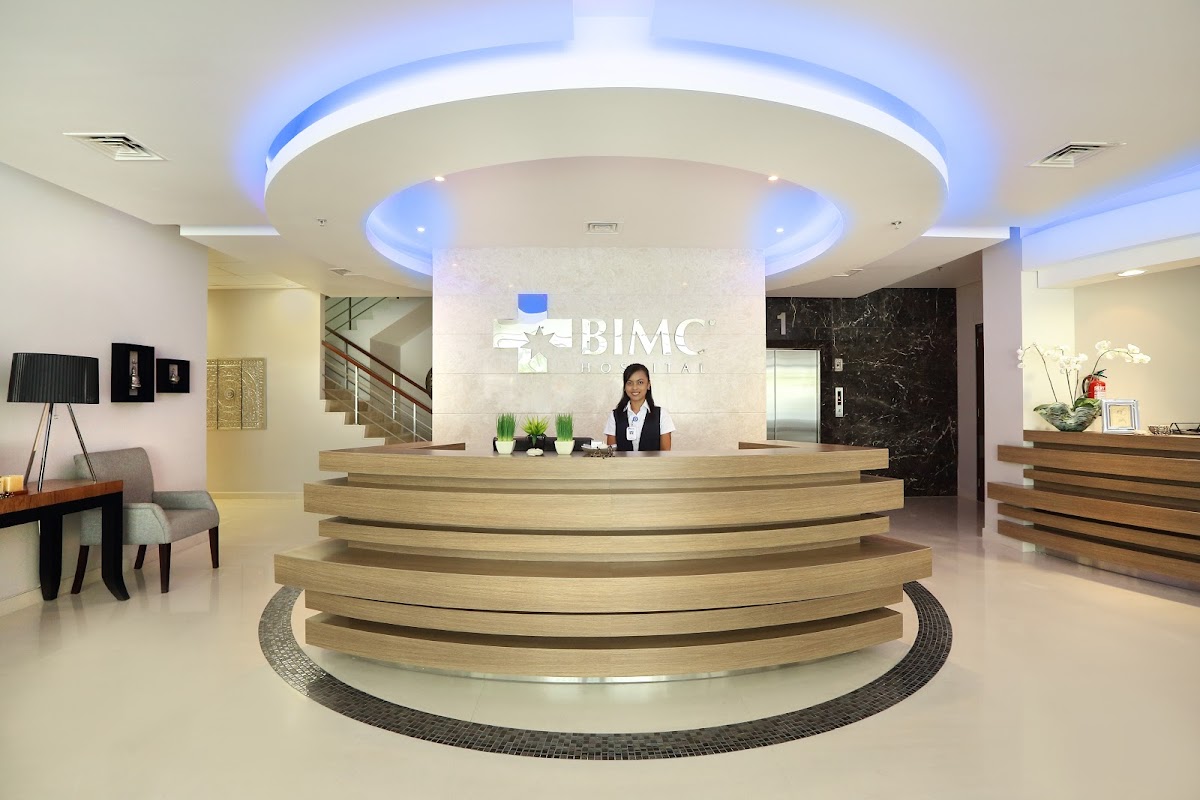
Hospital-affiliated dental care at BIMC Siloam Nusa Dua. Patients praise Dr. Harry for precise restorative work. Best for visitors wanting hospital-grade safety and emergency backup during treatment.
Hospital-affiliated dental care at BIMC Siloam Nusa Dua. Patients praise Dr. Harry for precise restorative work. Best for visitors wanting hospital-grade safety and emergency backup during treatment.
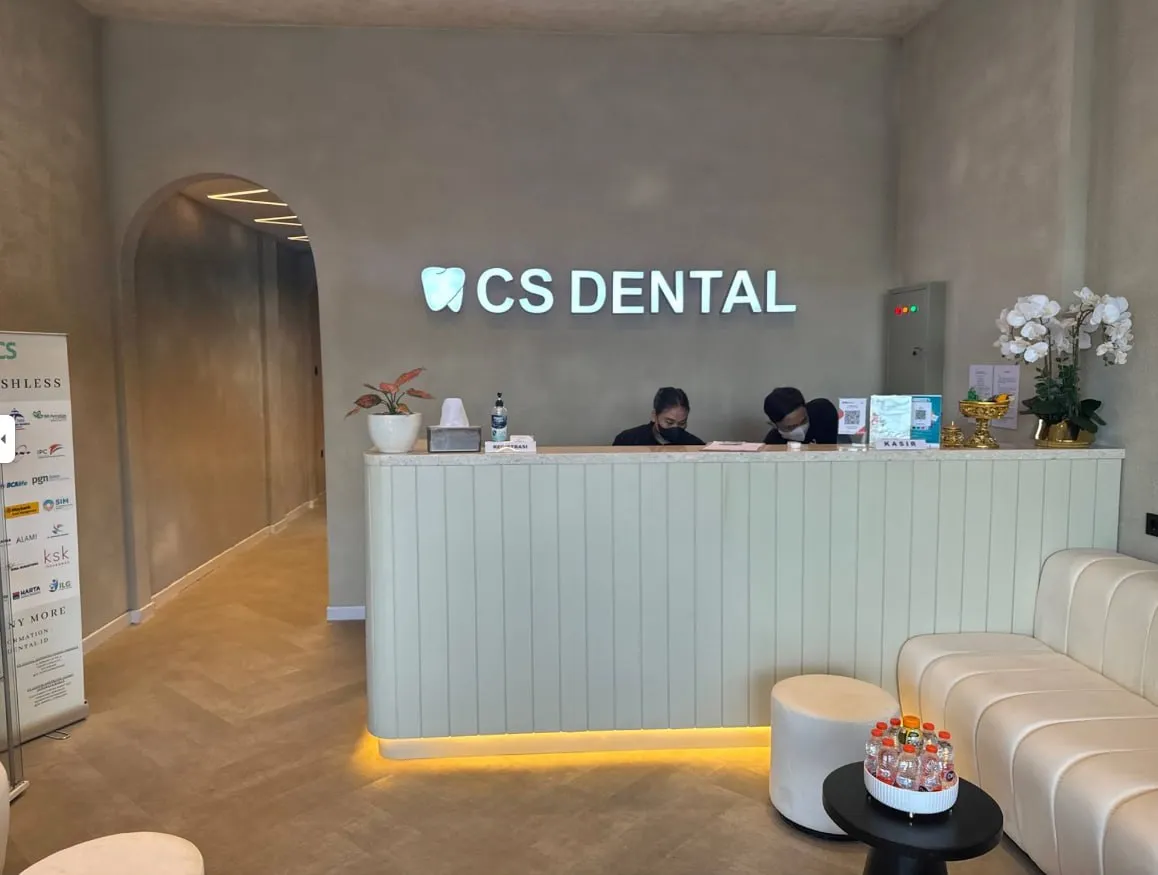
Patients rave about the cozy atmosphere and professional staff. In-house CAD/CAM lab enables precise same-day restorations. The Dental Spa package is a popular treat. Highly rated for implants and cosmetics.
Patients rave about the cozy atmosphere and professional staff. In-house CAD/CAM lab enables precise same-day restorations. The Dental Spa package is a popular treat. Highly rated for implants and cosmetics.
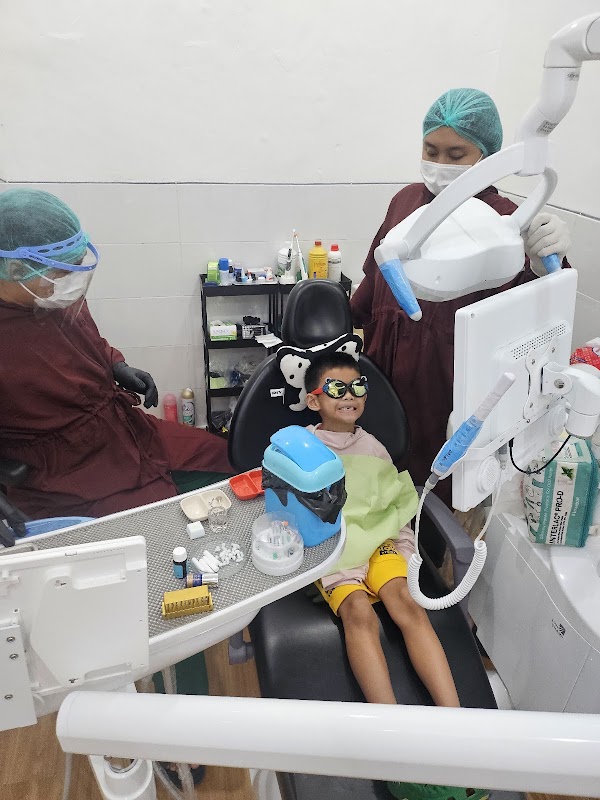
Patients praise the quick, professional service and honest treatment recommendations. The dental spa concept offers a uniquely relaxing experience. Popular for cleanings, emergency care, and root canals.
Patients praise the quick, professional service and honest treatment recommendations. The dental spa concept offers a uniquely relaxing experience. Popular for cleanings, emergency care, and root canals.
The best 10 of 26 Bali dental clinics for Porcelain Crown, with published prices where available. Prices verified April 2026. Data source: clinic websites. Always confirm current pricing with the clinic directly before treatment.
Showing the best 10 of 26 clinics. See all 26 clinics →
Run a dental clinic in Bali? Ask us about being listed on this page
What Is a Porcelain Crown?
A porcelain crown is a full-coverage restoration, a cap of dental porcelain that covers the entire visible surface of a prepared tooth. This is what sets it apart from a veneer, which only covers the front face of a tooth. A crown is used when a tooth has extensive decay, a large existing filling, significant structural damage, or has had a root canal, situations where a veneer cannot provide enough coverage or strength. The crown is fabricated in a dental lab from an impression or digital scan of the prepared tooth, so treatment usually takes two visits: the first to prepare the tooth and take the impression, the second to cement the finished crown once the lab returns it, typically 5 to 10 working days later. Porcelain gives a very natural, translucent appearance that closely mimics real enamel. It is less impact-resistant than metal-backed or zirconia crowns, so dentists often recommend porcelain for front teeth, where appearance matters most and bite forces are lower, rather than back molars. With good oral hygiene and regular check-ups, a porcelain crown typically lasts 10 to 15 years.
What Affects Porcelain Crown Prices in Bali?
The position and condition of the tooth is the first cost driver. A straightforward front tooth crown sits at the lower end, while a tooth needing extra work before the crown can be placed costs more. If the tooth requires a root canal or a core build-up first to create a stable foundation, those steps are usually billed separately and add to the total. Lab quality is the second major factor: clinics using in-house digital laboratories with CAD/CAM technology or premium ceramics tend to charge more, but often deliver faster turnaround and a more precise fit. The number of crowns matters too, and some clinics offer a lower per-crown rate when several are done together as part of a fuller restoration or smile makeover. When comparing quotes, confirm whether the price includes the impression, any temporary crown, and the final cementation visit, as these are sometimes itemised on top. Among the clinics on this page that have published a porcelain crown price, the range runs from IDR 4,500,000 to IDR 7,000,000 per crown, with an average of roughly IDR 5,400,000.
Popular areas for this treatment include Ubud, Seminyak, and Kuta, where most clinics are concentrated.
Related Articles
Guides
Porcelain Crowns in Bali: Full Guide to Materials and Cost (2026)
Everything to know about porcelain crowns in Bali: PFM vs all-ceramic, where they fit, longevity, the two-visit process, and per-clinic prices from IDR 5,000,000.
Read more →Safety
Is Dental Work in Bali Safe? What to Know Before You Go (2026)
A balanced, evidence-first look at dental safety standards in Bali, PDGI certification, infection control, and how to vet a clinic.
Read more →Frequently Asked Questions
Among the clinics on this page with a published price, porcelain crowns range from IDR 4,500,000 to IDR 7,000,000 per crown, with an average of roughly IDR 5,400,000 (approximately AUD 450 to 700). The lowest published price is IDR 4,500,000 at BIA (Bali Implant Aesthetic) Dental Center.
A porcelain crown is a full-coverage cap made of dental porcelain that fits over an entire prepared tooth. It restores the shape, strength, and appearance of a tooth that has been badly damaged, heavily filled, or treated with a root canal. Porcelain closely mimics the translucency of natural enamel, which makes it a popular choice for visible teeth.
A crown covers the whole tooth, wrapping all the way around it, while a veneer only covers the front surface. Because a crown encases the entire tooth, it is used when there is extensive damage that needs full coverage and strength. A veneer is a thinner, more conservative option suited to cosmetic changes on structurally sound teeth.
A filling repairs a small to moderate area of decay within an otherwise strong tooth. A crown is needed when too much tooth structure is missing for a filling to hold, or after a root canal when the tooth becomes brittle. A veneer only improves the look of the front surface, so it cannot rebuild a tooth that has lost significant structure. Your dentist will assess how much healthy tooth remains before recommending one over another.
It usually takes two visits. On the first visit the dentist prepares the tooth and takes an impression or digital scan, and fits a temporary crown. The finished crown is made in a dental lab, which typically takes 5 to 10 working days, then cemented on the second visit. Plan your Bali stay so both appointments fall within your trip.
With good oral hygiene and regular dental check-ups, a porcelain crown typically lasts 10 to 15 years. Longevity depends on where the tooth sits, your bite, and habits like grinding. If you grind your teeth, a night guard can help protect the crown and extend its lifespan.
Porcelain is less impact-resistant than metal-backed or zirconia crowns, so it is often recommended for front teeth, where appearance matters most and bite forces are lower. Back molars take much heavier chewing loads, so many dentists suggest a stronger material such as zirconia there. Ask your dentist which material suits the specific tooth being restored.
Not always. A root canal is only needed if the tooth's nerve is infected or badly damaged. Many teeth are crowned without one, simply because they are worn, cracked, or heavily filled. If a root canal is required first, it is usually a separate procedure with its own cost, added before the crown is placed.
The dentist first removes decay and shapes the tooth to create room for the crown. They then take an impression or digital scan, which a dental lab uses to fabricate the crown to match your bite and shade. A temporary crown protects the tooth in the meantime. Once the permanent crown is ready, the dentist checks the fit and cements it in place.
Many Bali clinics use CAD/CAM technology and established dental labs with ceramics comparable to those used in Australian and European labs. Quality varies between clinics, so it helps to compare ratings and reviews alongside price. Ask which materials and lab a clinic uses, and request a written treatment plan before you commit.
Yes. Porcelain is chosen partly because its translucency closely resembles natural enamel, and the lab shades each crown to match the surrounding teeth. For front teeth especially, the dentist takes a shade reading so the finished crown blends in. If you are also whitening your teeth, do that first so the crown is matched to the final shade.
Our directory compares porcelain crowns across 26 clinics in Bali and this page lists the 10 best, but not every clinic has published a set price for this specific restoration. Crown costs can vary with the tooth's condition and any preparatory work needed, so some clinics prefer to quote after an assessment. A listed clinic without a published price shows Contact for quote.
Ready to Compare Clinics?
Browse all 26+ clinics side by side.