The 10 Best Zirconia Crown Clinics in Bali (2026)
Chosen from 26 clinics, prices compared.
Updated
A zirconia crown is a metal-free ceramic cap made from zirconium dioxide, one of the strongest all-ceramic materials in modern dentistry. Patients choose zirconia for its fracture resistance and the fact that it holds up to heavy chewing forces, which makes it a genuine option for back molars as well as front teeth, and because it has no metal to cause a dark line at the gum over time. In Australia a single zirconia crown typically costs around AUD 1,700 to 3,200, which is why many Australians treat their crown work while visiting Bali. Our directory compares Zirconia Crown across 26 clinics in Bali; the 10 best are listed on this page.
Zirconia Crown is compared across 26 Bali clinics in our directory; the 10 best are listed on this page. Among those with published pricing, the cost runs IDR 4,000,000 to IDR 7,000,000 per crown. Two of the top-rated options are Uluwatu Dental Care (4.9/5, 1,434 reviews) and BIA (Bali Implant Aesthetic) Dental Center (4.9/5, 1,150 reviews).
The cheapest zirconia crown among the 10 clinics listed here starts at AUD $380 at Cosmodent Dentist Bali.
Cheapest of the 10
AUD $380
Average of the 10
AUD $537
Most Expensive of the 10
AUD $665
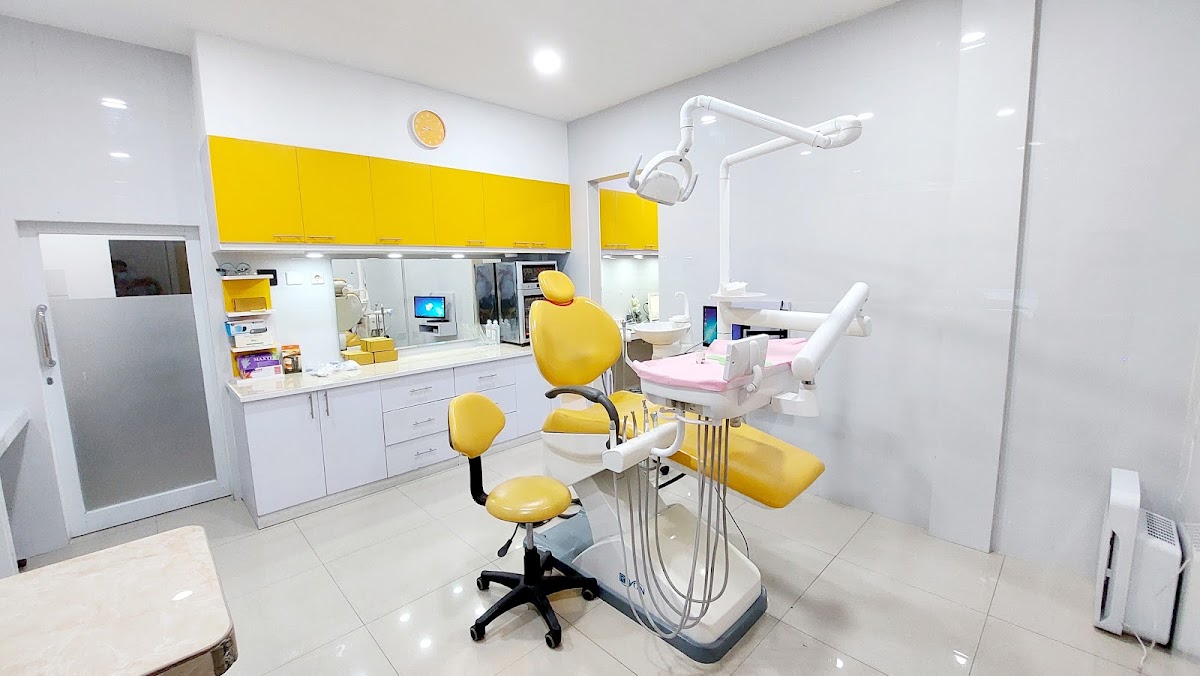
The most-reviewed dental clinic in Bali with 1,400+ reviews. Patients praise Dr. Fajar and Dr. Komang for gentle, detailed treatment. Serves 300+ foreign patients monthly in the Uluwatu area.
The most-reviewed dental clinic in Bali with 1,400+ reviews. Patients praise Dr. Fajar and Dr. Komang for gentle, detailed treatment. Serves 300+ foreign patients monthly in the Uluwatu area.
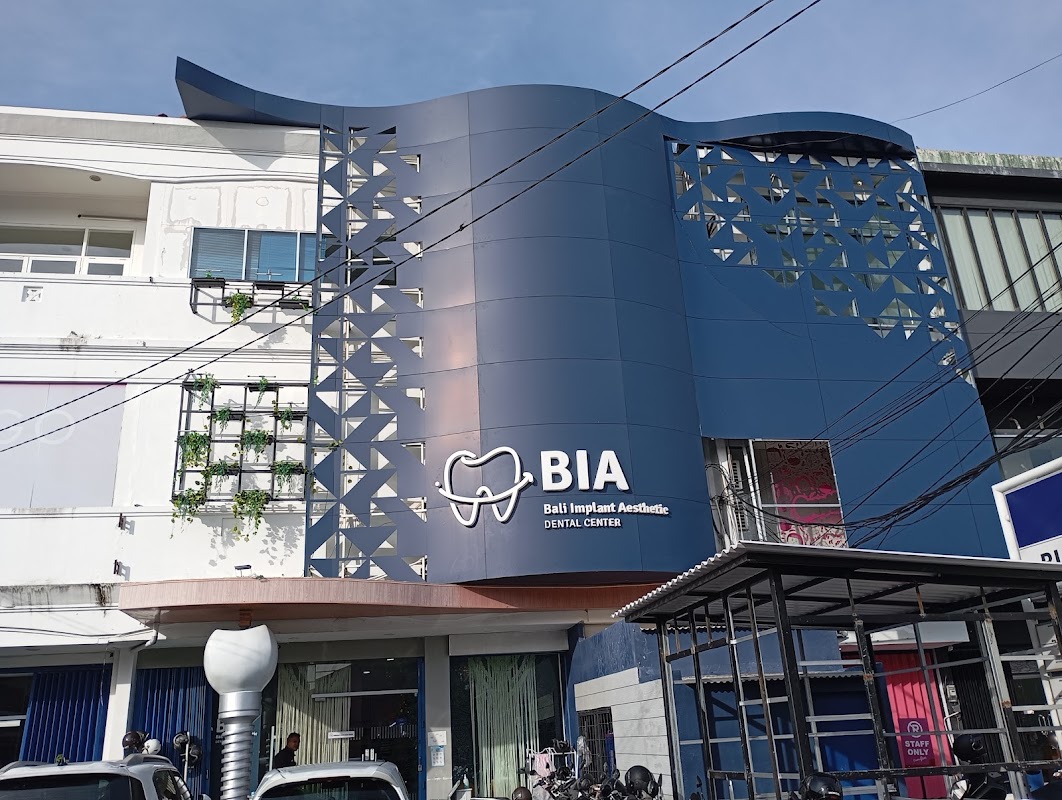
Patients praise the warm welcome, professional doctors, and clean, modern facilities. Highly rated for scaling, smile makeovers, and implants. Excellent follow-up communication from first message to aftercare.
Patients praise the warm welcome, professional doctors, and clean, modern facilities. Highly rated for scaling, smile makeovers, and implants. Excellent follow-up communication from first message to aftercare.
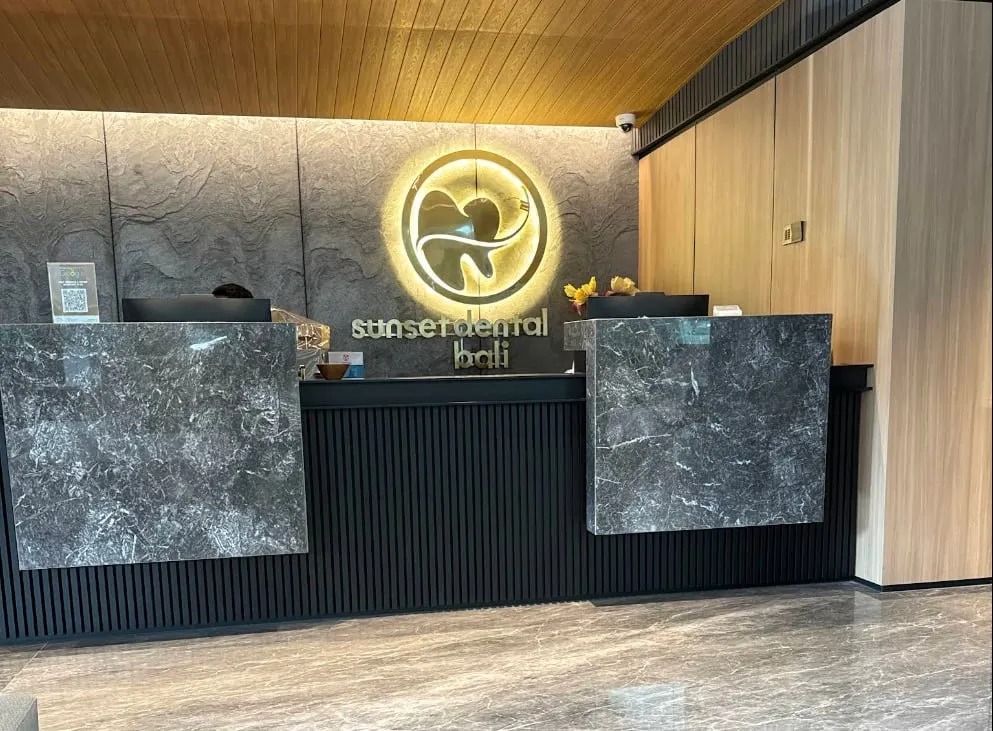
Patients consistently praise the knowledgeable, honest dentists and modern facilities. Popular for aligners, implants, and cleanings. Dual Seminyak and Ubud locations suit travelers across Bali.
Patients consistently praise the knowledgeable, honest dentists and modern facilities. Popular for aligners, implants, and cleanings. Dual Seminyak and Ubud locations suit travelers across Bali.
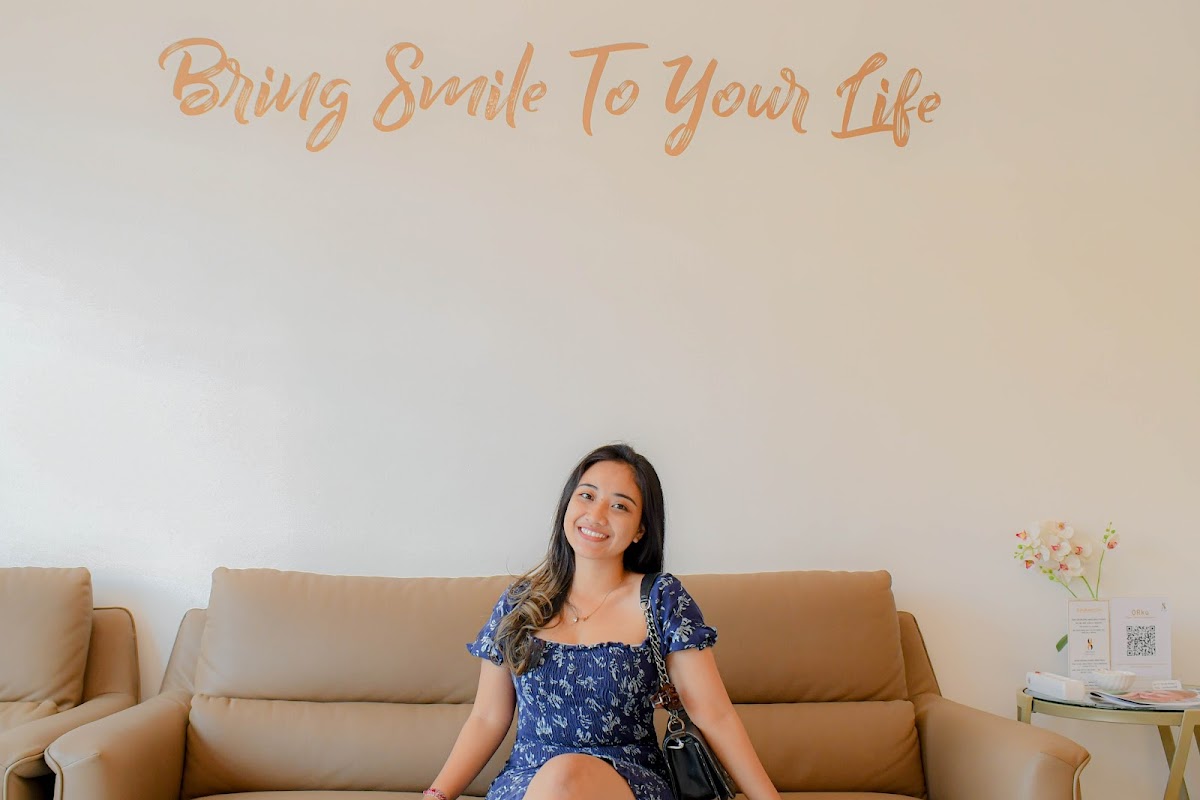
Patients praise Dr. Maureen for expert aligner and aesthetic work. Digital Smile Design lets you preview results first. Long-term clients return for years. Strong reputation for smile makeovers.
Patients praise Dr. Maureen for expert aligner and aesthetic work. Digital Smile Design lets you preview results first. Long-term clients return for years. Strong reputation for smile makeovers.
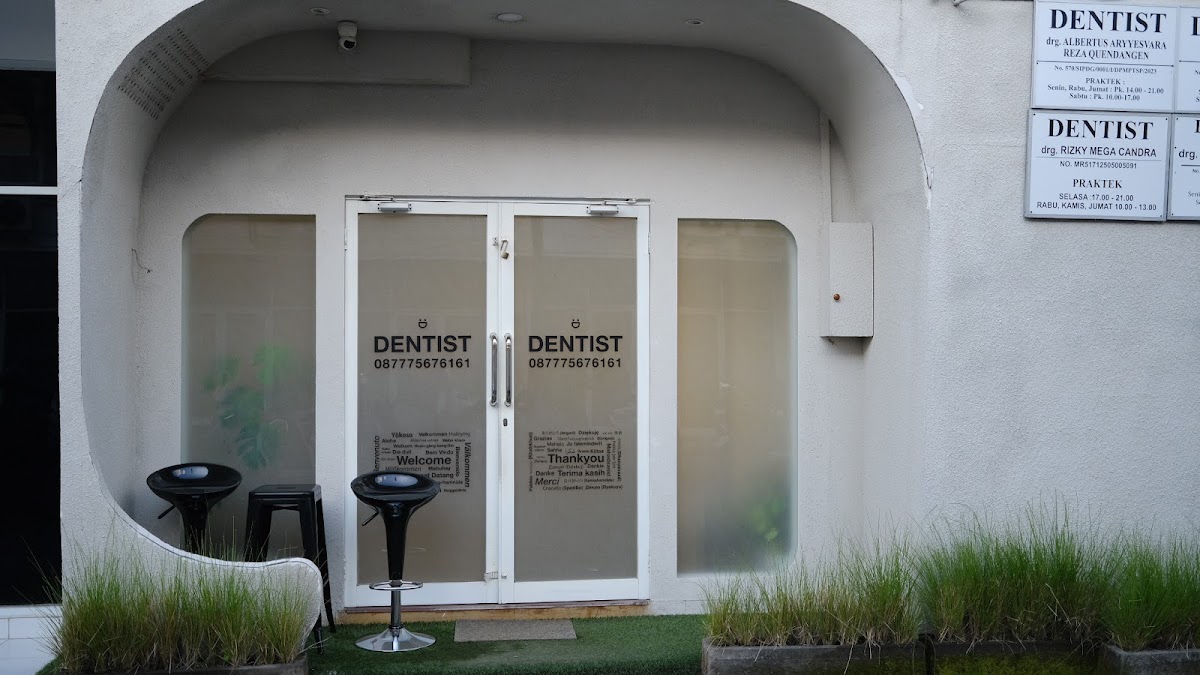
Patients highlight the welcoming, personal approach and attentive doctors who explain every step. Highly rated for crowns, cleanings, and pediatric care. Popular with expats and nervous patients.
Patients highlight the welcoming, personal approach and attentive doctors who explain every step. Highly rated for crowns, cleanings, and pediatric care. Popular with expats and nervous patients.
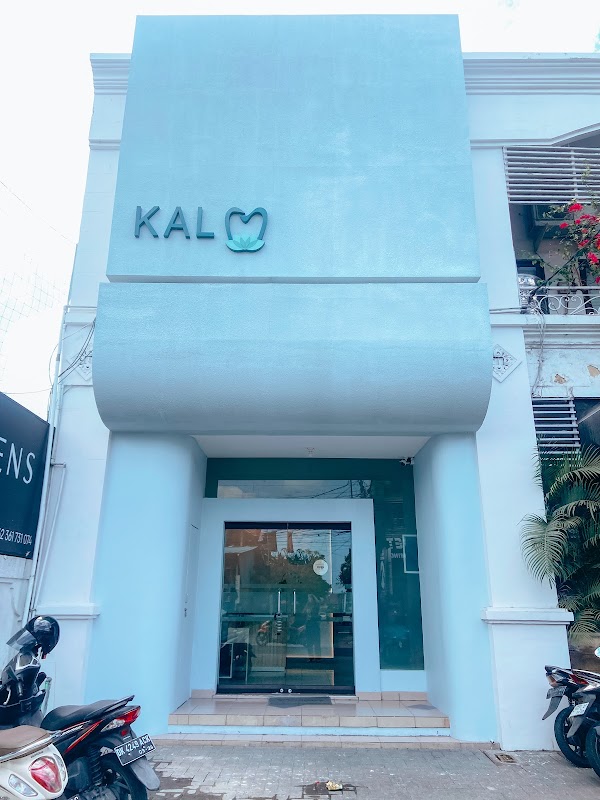
Patients praise the modern, hygienic facilities and gentle, anxiety-free care. Frequently recommended for root canals, veneers, and implants. Multiple reviewers highlight transparent pricing.
Patients praise the modern, hygienic facilities and gentle, anxiety-free care. Frequently recommended for root canals, veneers, and implants. Multiple reviewers highlight transparent pricing.
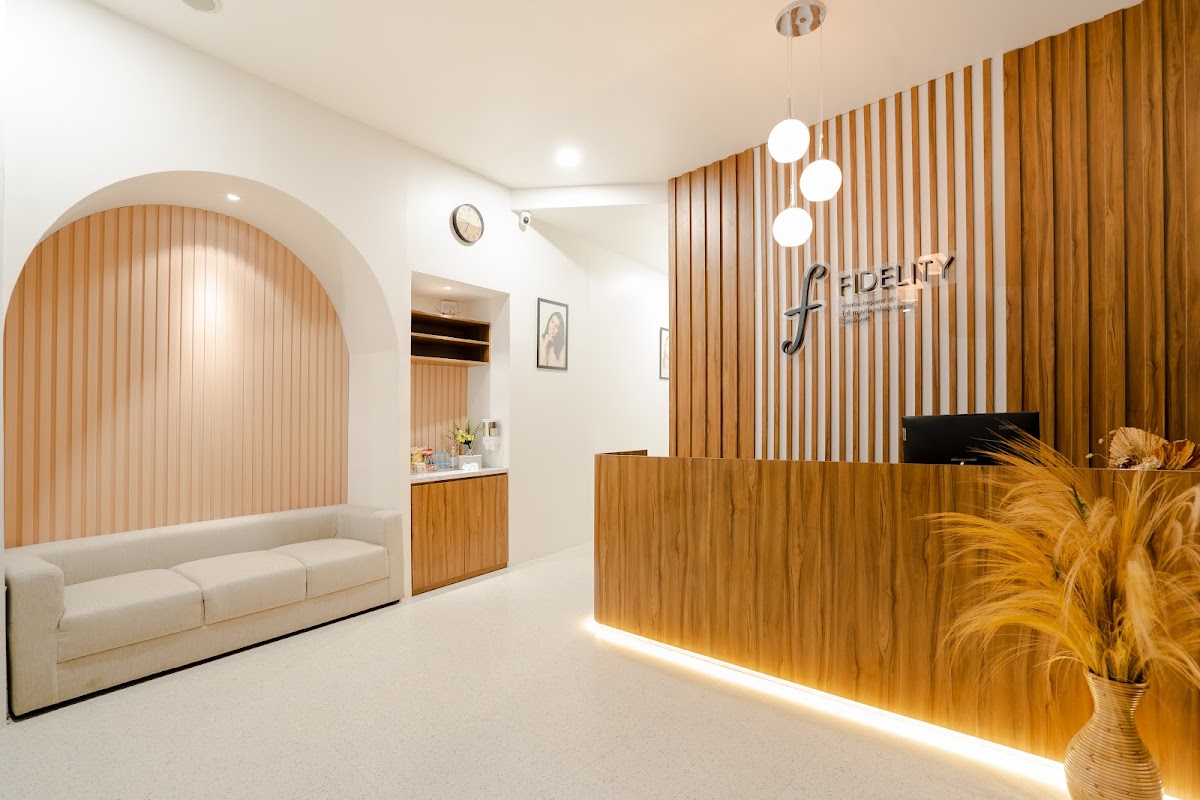
Patients consistently highlight the professionalism and latest equipment. A UK dental nurse rated it highly. Popular for composite bonding, whitening, and implants. Flawless WhatsApp booking process.
Patients consistently highlight the professionalism and latest equipment. A UK dental nurse rated it highly. Popular for composite bonding, whitening, and implants. Flawless WhatsApp booking process.
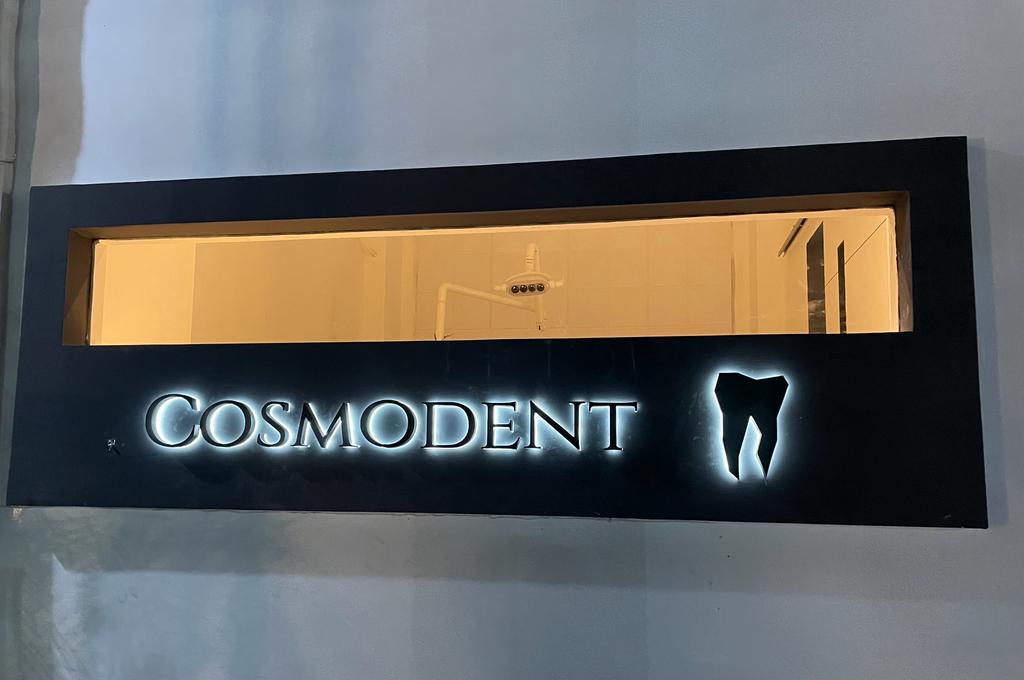
Patients love Dr. Denny's genuine care and attention to creating the perfect smile. Excellent for crowns, veneers, and root canals. Multiple Australians report saving thousands compared to home prices.
Patients love Dr. Denny's genuine care and attention to creating the perfect smile. Excellent for crowns, veneers, and root canals. Multiple Australians report saving thousands compared to home prices.
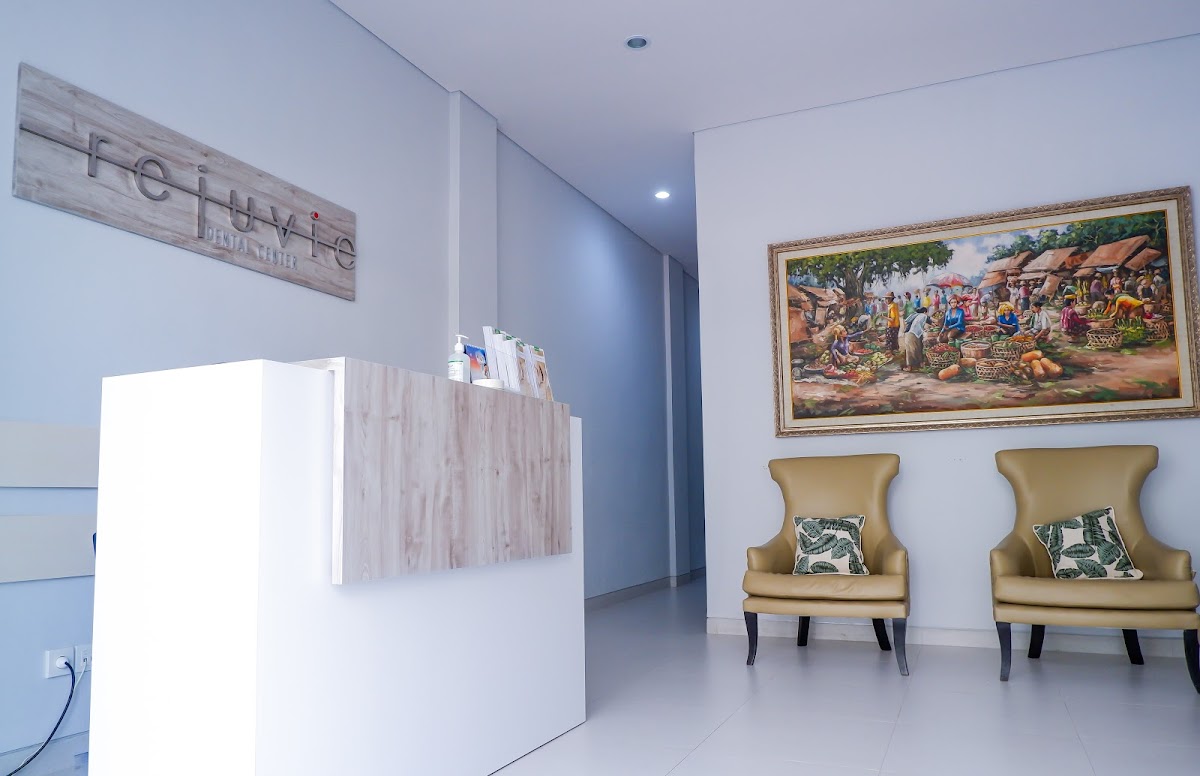
Patients praise Dr. Made Adinda for quick, caring treatment and excellent whitening results. Two convenient locations in Kuta and Sanur. Some reviewers note booking delays, so plan ahead.
Patients praise Dr. Made Adinda for quick, caring treatment and excellent whitening results. Two convenient locations in Kuta and Sanur. Some reviewers note booking delays, so plan ahead.
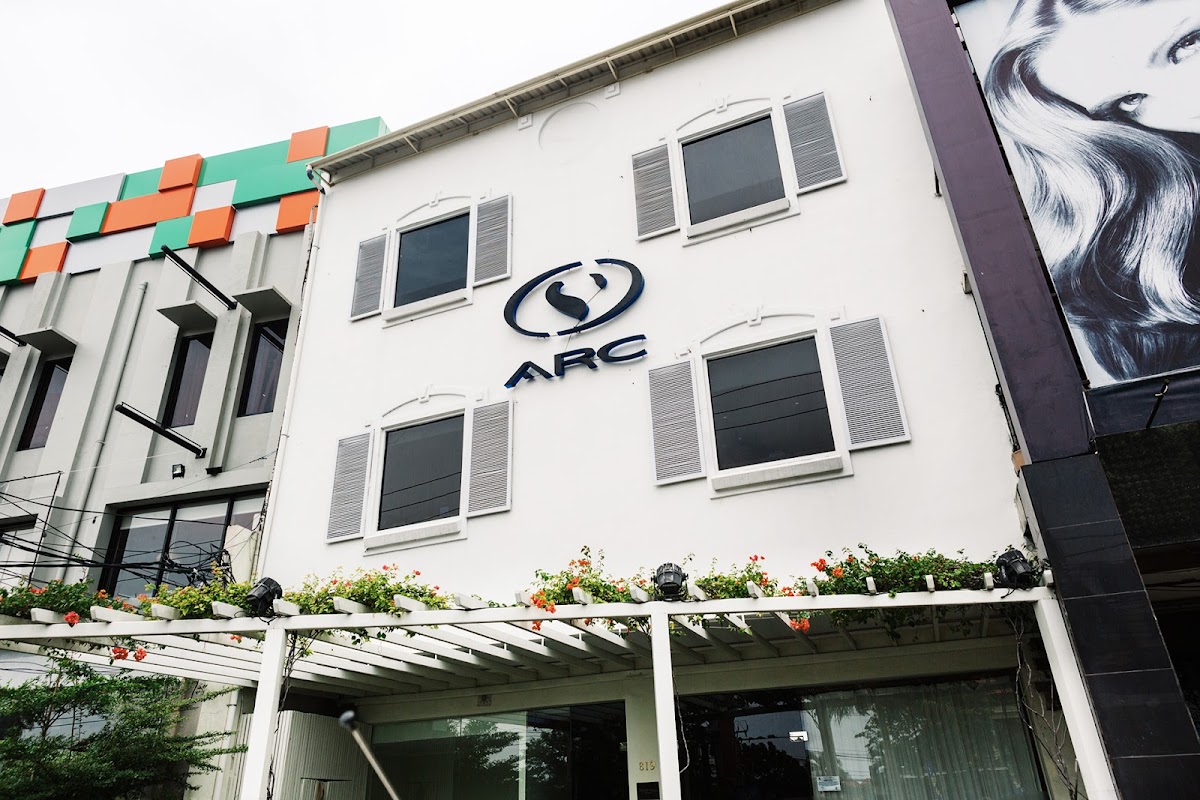
Reviewers praise the technical competence and communication skills of the dentists. Multiple visitors highlight quality bridge and crown work. Some reviews note billing concerns, so clarify costs upfront.
Reviewers praise the technical competence and communication skills of the dentists. Multiple visitors highlight quality bridge and crown work. Some reviews note billing concerns, so clarify costs upfront.
The best 10 of 26 Bali dental clinics for Zirconia Crown, with published prices where available. Prices verified April 2026. Data source: clinic websites. Always confirm current pricing with the clinic directly before treatment.
Showing the best 10 of 26 clinics. See all 26 clinics →
Run a dental clinic in Bali? Ask us about being listed on this page
What Is a Zirconia Crown?
A zirconia crown is a tooth-shaped cap milled from zirconium dioxide, a biocompatible dental ceramic that ranks among the strongest all-ceramic materials available. It comes in two main forms. Monolithic zirconia is a solid, single-material crown prized for its strength and used often on molars that take the heaviest bite forces. Layered zirconia pairs a zirconia core with a thin porcelain layer over the top, adding translucency and a more lifelike look for teeth that show when you smile. Zirconia was originally developed as a metal-free alternative that could handle heavier loads than traditional porcelain, so unlike porcelain crowns, which are usually reserved for visible front teeth, zirconia suits front and back teeth alike. Because it contains no metal, there is no dark line at the gum edge as the years pass, a common complaint with older metal-based crowns. Most modern labs fabricate zirconia using CAD/CAM milling for a precise fit, and given the material's strength these crowns typically last 15 to 20 years or longer.
What Affects Zirconia Crown Prices in Bali?
Several things move the price of a zirconia crown from one clinic to the next. The type of zirconia matters first: monolithic (solid) crowns and layered crowns, which add a porcelain overlay for extra translucency, are priced differently, with the layered aesthetic option often sitting at the higher end. Tooth location plays a part too, since a highly visible front tooth may call for more careful shade matching and layering than a molar hidden at the back. The milling technology and the dental lab a clinic works with also shape the cost, as does whether the crown is done on its own or as part of a larger set. Clinics quoting several crowns together sometimes price each one differently than a single unit. Among the clinics on this page that have published a zirconia crown price, the range runs from IDR 4,000,000 to IDR 7,000,000 per crown, with an average of roughly IDR 5,630,000.
Popular areas for this treatment include Ubud, Seminyak, and Kuta, where most clinics are concentrated.
Related Articles
Guides
Zirconia Crowns in Bali: The Strongest Crown Option Explained (2026)
A full guide to zirconia crowns in Bali: monolithic vs layered, why they suit molars and grinders, longevity data, and per-clinic prices from IDR 4,000,000.
Read more →Safety
Is Dental Work in Bali Safe? What to Know Before You Go (2026)
A balanced, evidence-first look at dental safety standards in Bali, PDGI certification, infection control, and how to vet a clinic.
Read more →Frequently Asked Questions
Among the clinics on this page that publish a price, a zirconia crown ranges from IDR 4,000,000 to IDR 7,000,000 per crown, with an average of roughly IDR 5,630,000. The exact figure depends on the clinic, whether the crown is monolithic or layered, and the tooth being treated. For comparison, the same crown in Australia typically costs around AUD 1,700 to 3,200.
A zirconia crown is a tooth-shaped cap made from zirconium dioxide, a very strong and biocompatible dental ceramic. It is one of the strongest all-ceramic crown materials available and is completely metal-free. Because of its strength, it works well on both front teeth and back molars, and it is usually milled by CAD/CAM technology for a precise fit.
Monolithic zirconia is a solid, single-material crown milled entirely from zirconia, which gives it maximum strength and makes it a strong choice for molars that take heavy bite forces. Layered zirconia uses a zirconia core with a thin porcelain layer bonded over it, which adds translucency and a more natural, lifelike look for teeth that show when you smile. Monolithic is favoured for durability, layered for front-tooth aesthetics.
Traditional porcelain crowns are prized for their natural look but are more prone to chipping under heavy load, so they are usually reserved for visible front teeth. Zirconia is far stronger and more fracture resistant, which lets it handle back molars as well as front teeth. Layered zirconia can match the aesthetics of porcelain closely while keeping the underlying strength of a zirconia core.
A PFM crown has a metal substructure with porcelain fused over it. Over time that metal can show as a dark line at the gum edge, especially if the gum recedes slightly. A zirconia crown is completely metal-free, so there is no dark line, and it offers comparable or greater strength without the metal core. Many patients switching from older PFM crowns choose zirconia for exactly this reason.
Given the strength of the material, zirconia crowns typically last 15 to 20 years or longer with good care. Longevity depends on oral hygiene, bite forces, and whether you grind your teeth, but zirconia's fracture resistance means it tends to hold up very well over the long term compared with weaker ceramic options.
Yes. This is one of zirconia's main advantages. Its high strength and fracture resistance mean it can handle the heavy chewing forces that back molars endure, which is where weaker all-ceramic materials sometimes fail. Monolithic zirconia in particular is a common choice for molar crowns for this reason.
They are a popular option for patients who grind (bruxism) precisely because zirconia is so fracture resistant. Where a softer ceramic might chip or crack under repeated grinding pressure, a solid zirconia crown is far more likely to withstand it. If you grind heavily, mention it to your dentist so they can recommend the right type and discuss a night guard to protect your teeth.
Yes, zirconia crowns contain no metal. This matters for two reasons. First, there is no dark line at the gum edge over time, which is a common cosmetic complaint with older metal-based crowns. Second, being metal-free makes zirconia a good choice for patients who prefer to avoid metal in their dental work. It is also highly biocompatible, meaning it is well tolerated by the surrounding gum tissue.
The dentist prepares the tooth by reshaping it, then takes an impression or digital scan that is sent to the lab, where the crown is milled from zirconia using CAD/CAM technology. A temporary crown may be fitted in the meantime. Once the final crown is ready it is checked for fit and bite, then cemented into place. Treatment usually spans two visits a few days apart, so patients travelling to Bali should plan their stay around the lab turnaround time. Confirm the exact schedule directly with your chosen clinic.
They can look very natural, especially layered zirconia, which adds a porcelain overlay for extra translucency that mimics the way light passes through real teeth. Monolithic zirconia is slightly more opaque but still tooth-coloured and far more discreet than any metal-based crown. For a highly visible front tooth, dentists often recommend the layered option to get the closest match to your neighbouring teeth.
Our directory compares Zirconia Crown across 26 clinics in Bali and this page lists the 10 best, and not every clinic publishes a price for every treatment. Some quote zirconia crowns only after an in-person assessment, since the final cost can depend on the tooth, the type of zirconia, and any preparatory work needed. When a clinic has not published a zirconia crown price, we simply do not list one rather than estimate on their behalf. It is always worth contacting the clinic directly for a current quote.
Ready to Compare Clinics?
Browse all 26+ clinics side by side.