The 10 Best Ceramage Veneer Clinics in Bali (2026)
Chosen from 26 clinics, prices compared.
Updated
Ceramage veneers use a hybrid composite-ceramic material made by Shofu Dental, a Japanese dental materials company, that blends a micro-fine ceramic filler into a light-cured resin. That makes them one of the more budget-friendly veneer options in Bali, sitting well below the cost of porcelain, zirconia, or Emax. This is a smaller listing: only 2 clinics have published a Ceramage veneer price so far, so the comparison is compact, but both are strong, well-reviewed practices worth a look. Our directory compares Ceramage Veneer across 26 clinics in Bali; the 10 best are listed on this page.
Ceramage Veneer is compared across 26 Bali clinics in our directory; the 10 best are listed on this page. Among those with published pricing, the cost runs IDR 2,000,000 to IDR 2,500,000 per tooth across 2 clinics. The two options are Fidelity Dental Bali (4.9/5, 221 reviews) and Rejuvie Dental (4.5/5, 47 reviews).
The cheapest ceramage veneer among the 10 clinics listed here starts at AUD $190 at Rejuvie Dental.
Cheapest of the 10
AUD $190
Average of the 10
AUD $214
Most Expensive of the 10
AUD $238
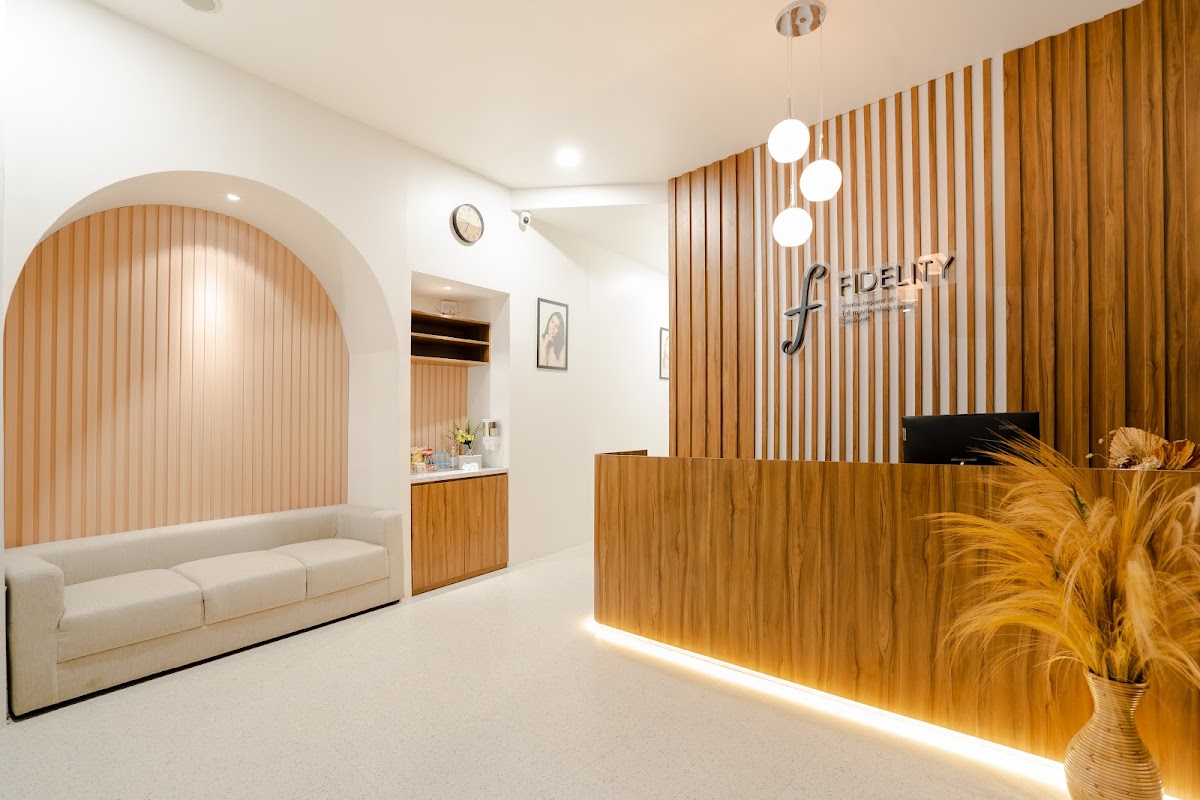
Patients consistently highlight the professionalism and latest equipment. A UK dental nurse rated it highly. Popular for composite bonding, whitening, and implants. Flawless WhatsApp booking process.
Patients consistently highlight the professionalism and latest equipment. A UK dental nurse rated it highly. Popular for composite bonding, whitening, and implants. Flawless WhatsApp booking process.
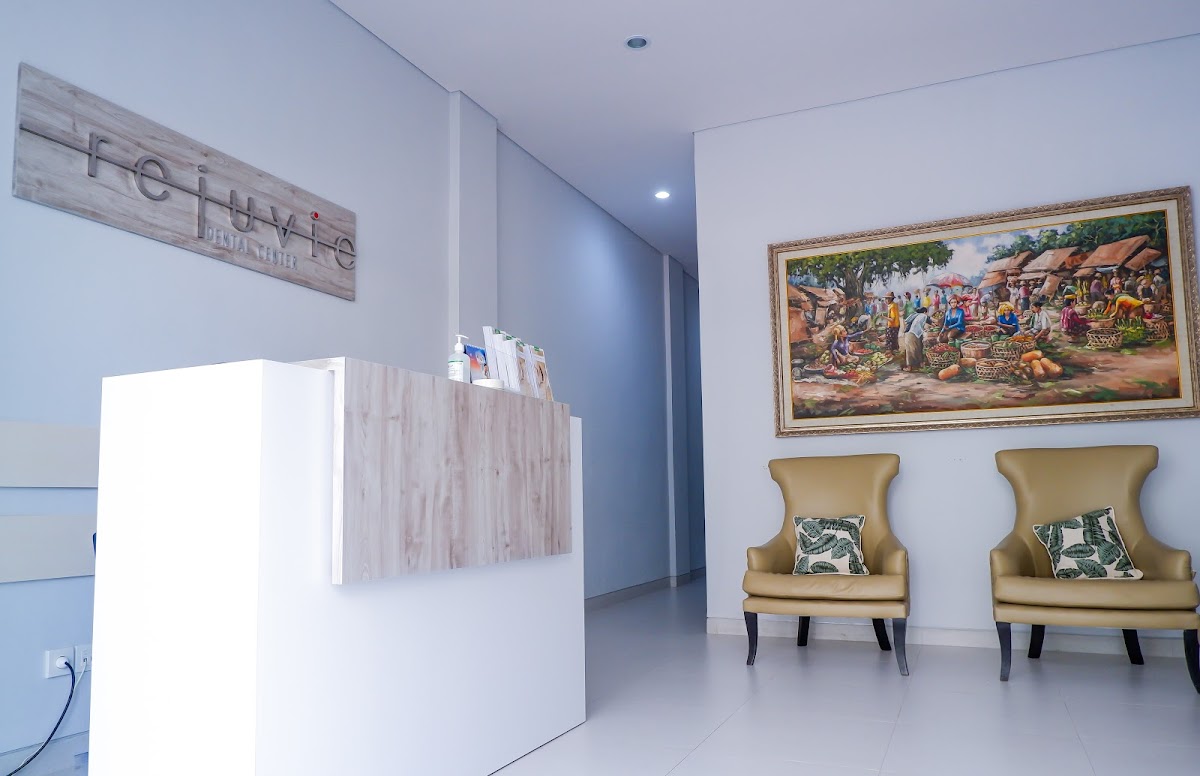
Patients praise Dr. Made Adinda for quick, caring treatment and excellent whitening results. Two convenient locations in Kuta and Sanur. Some reviewers note booking delays, so plan ahead.
Patients praise Dr. Made Adinda for quick, caring treatment and excellent whitening results. Two convenient locations in Kuta and Sanur. Some reviewers note booking delays, so plan ahead.
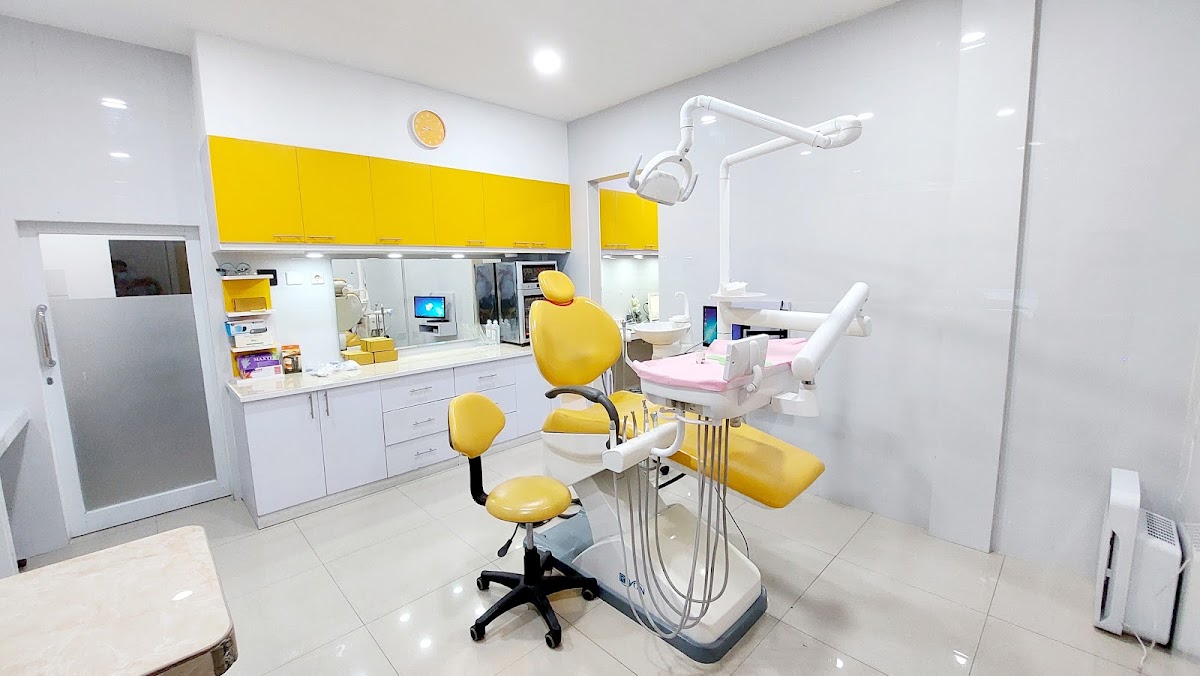
The most-reviewed dental clinic in Bali with 1,400+ reviews. Patients praise Dr. Fajar and Dr. Komang for gentle, detailed treatment. Serves 300+ foreign patients monthly in the Uluwatu area.
The most-reviewed dental clinic in Bali with 1,400+ reviews. Patients praise Dr. Fajar and Dr. Komang for gentle, detailed treatment. Serves 300+ foreign patients monthly in the Uluwatu area.
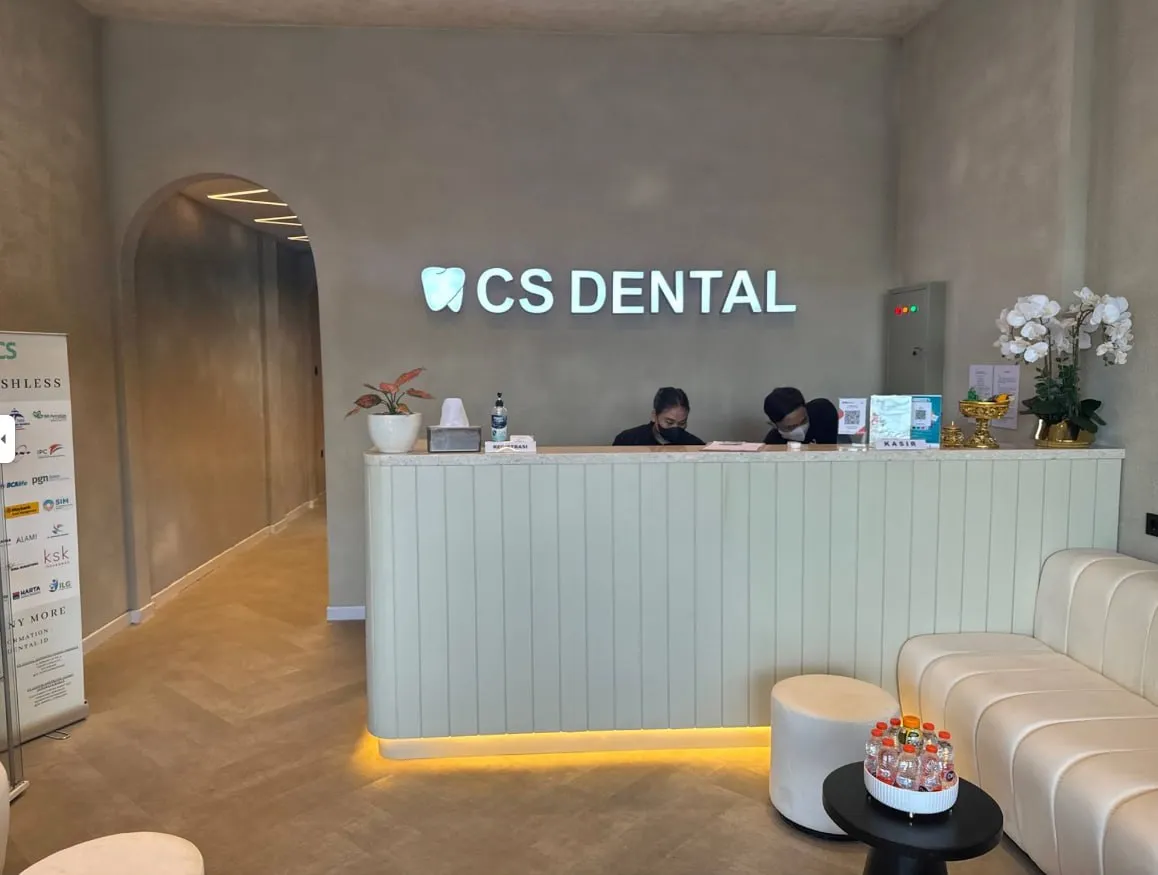
Patients rave about the cozy atmosphere and professional staff. In-house CAD/CAM lab enables precise same-day restorations. The Dental Spa package is a popular treat. Highly rated for implants and cosmetics.
Patients rave about the cozy atmosphere and professional staff. In-house CAD/CAM lab enables precise same-day restorations. The Dental Spa package is a popular treat. Highly rated for implants and cosmetics.
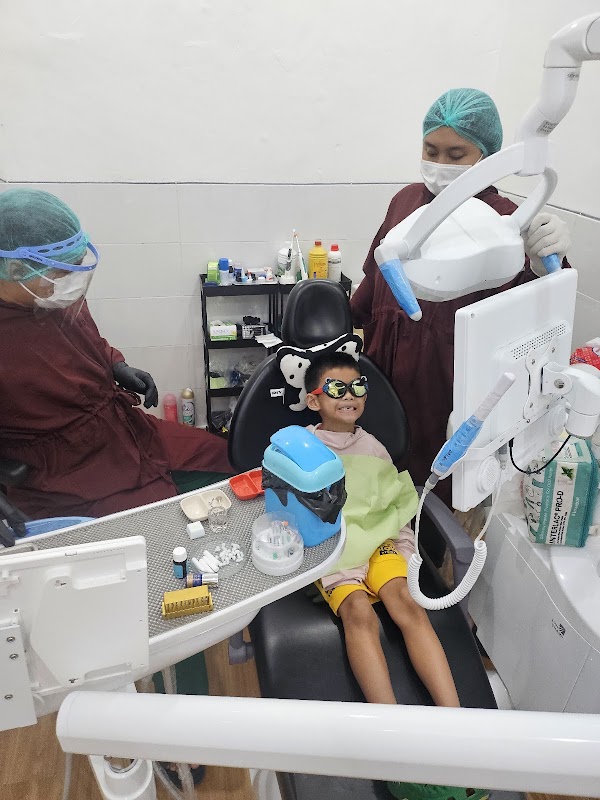
Patients praise the quick, professional service and honest treatment recommendations. The dental spa concept offers a uniquely relaxing experience. Popular for cleanings, emergency care, and root canals.
Patients praise the quick, professional service and honest treatment recommendations. The dental spa concept offers a uniquely relaxing experience. Popular for cleanings, emergency care, and root canals.
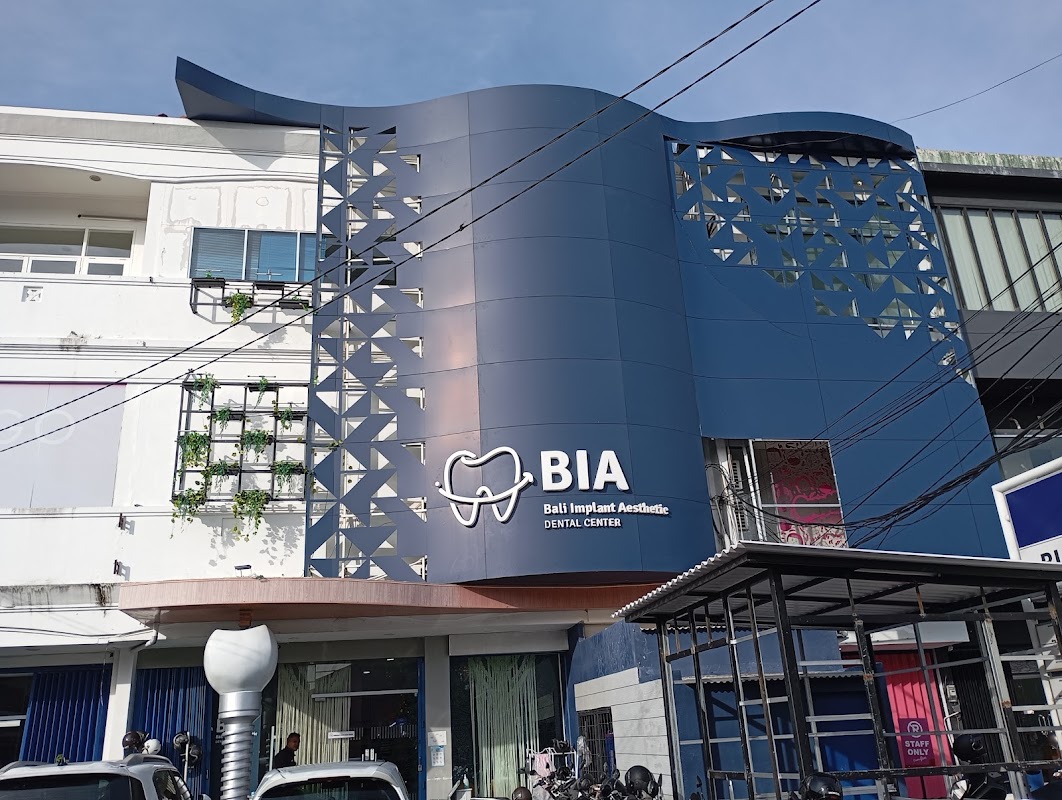
Patients praise the warm welcome, professional doctors, and clean, modern facilities. Highly rated for scaling, smile makeovers, and implants. Excellent follow-up communication from first message to aftercare.
Patients praise the warm welcome, professional doctors, and clean, modern facilities. Highly rated for scaling, smile makeovers, and implants. Excellent follow-up communication from first message to aftercare.
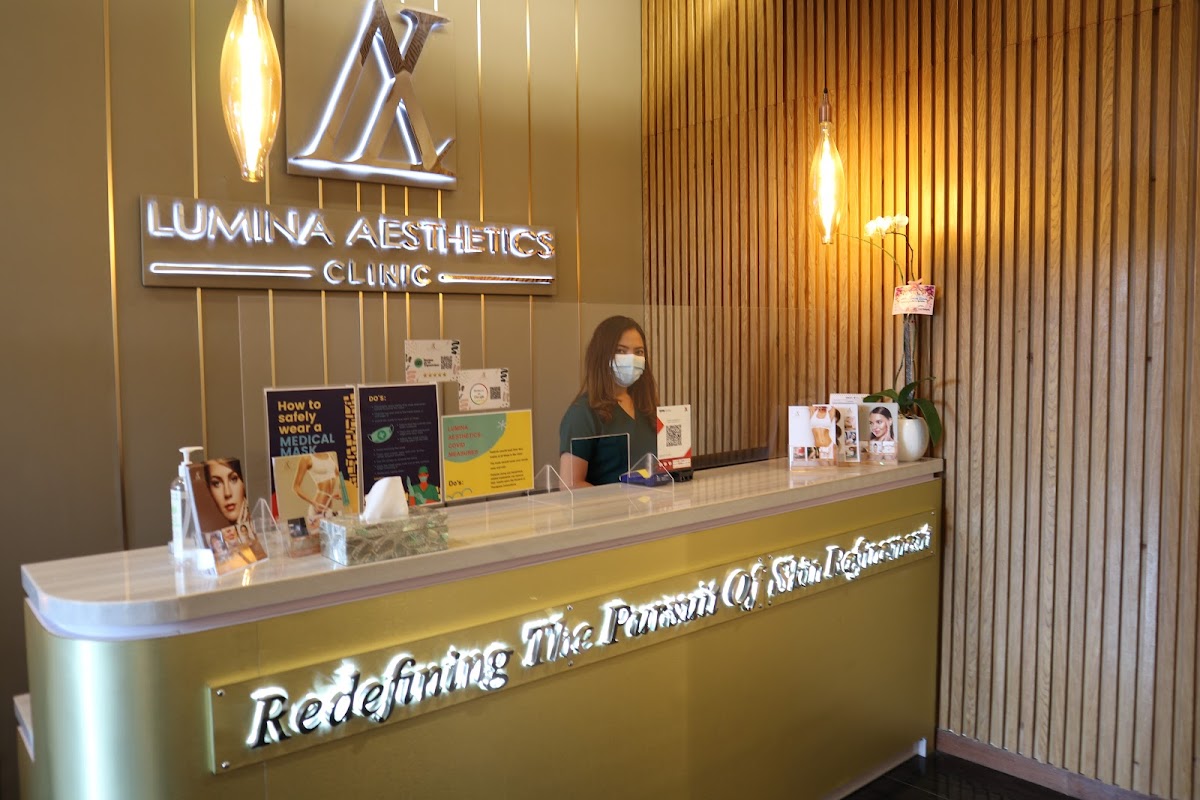
Part of a larger aesthetics clinic with 1,000+ reviews. Patients praise the beautiful, professional facilities. Ideal for visitors combining dental care with cosmetic treatments during their Bali trip.
Part of a larger aesthetics clinic with 1,000+ reviews. Patients praise the beautiful, professional facilities. Ideal for visitors combining dental care with cosmetic treatments during their Bali trip.
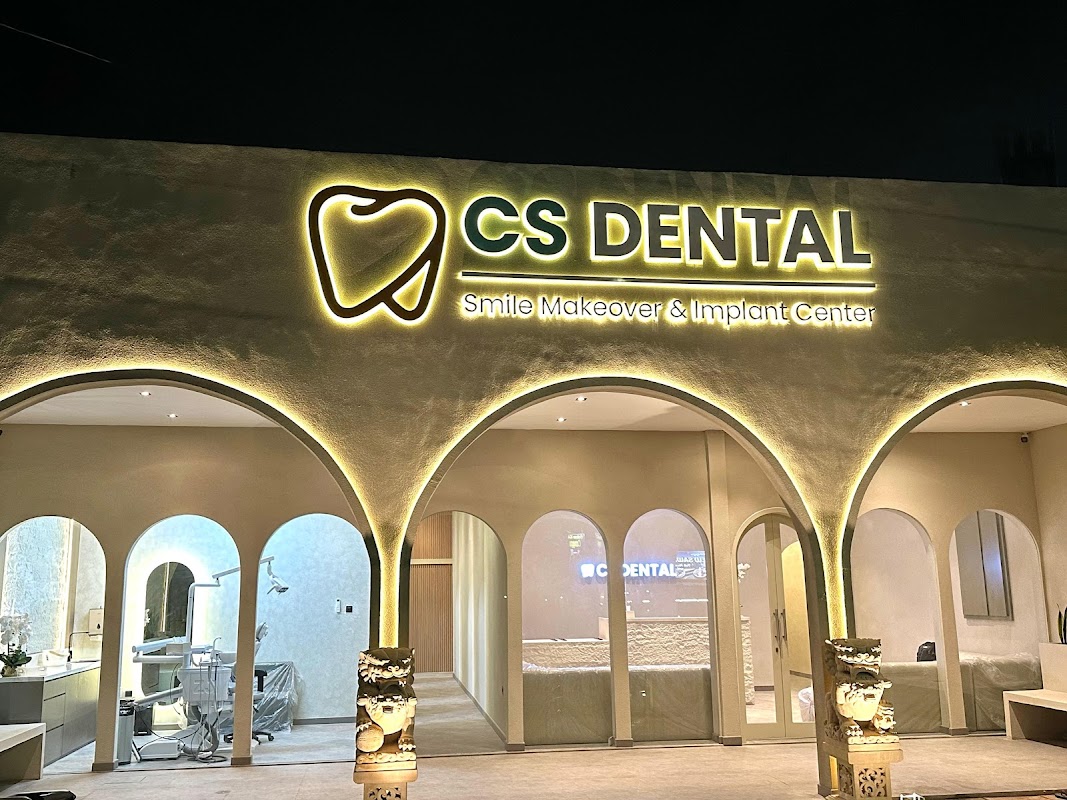
Patients praise Dr. Ajeng and Dr. Jesslyn for thorough, gentle care. The Dental Spa experience is a highlight. Conveniently located in Canggu for surfers, digital nomads, and expats in the area.
Patients praise Dr. Ajeng and Dr. Jesslyn for thorough, gentle care. The Dental Spa experience is a highlight. Conveniently located in Canggu for surfers, digital nomads, and expats in the area.
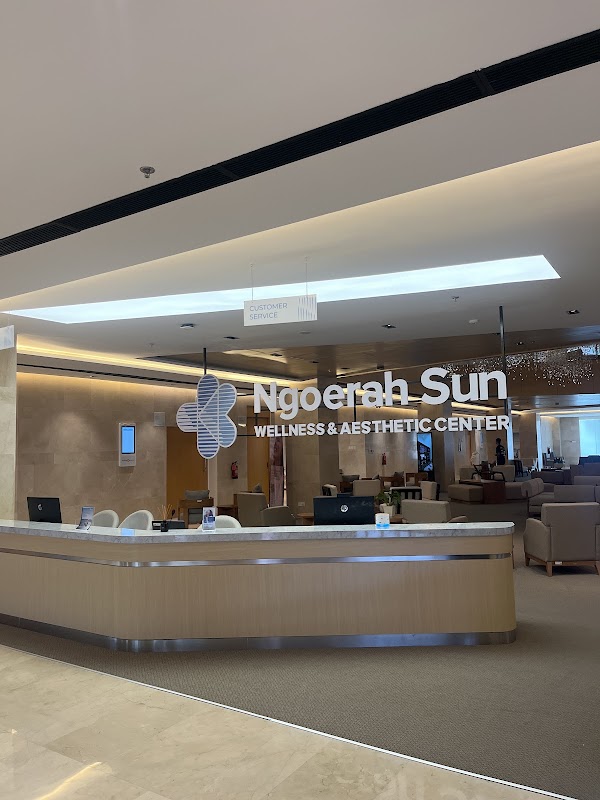
Perfect 5.0 rating from 515+ reviews. Patients praise the luxury facilities and professional staff. Multi-specialty center combining dental care with wellness and aesthetic treatments.
Perfect 5.0 rating from 515+ reviews. Patients praise the luxury facilities and professional staff. Multi-specialty center combining dental care with wellness and aesthetic treatments.
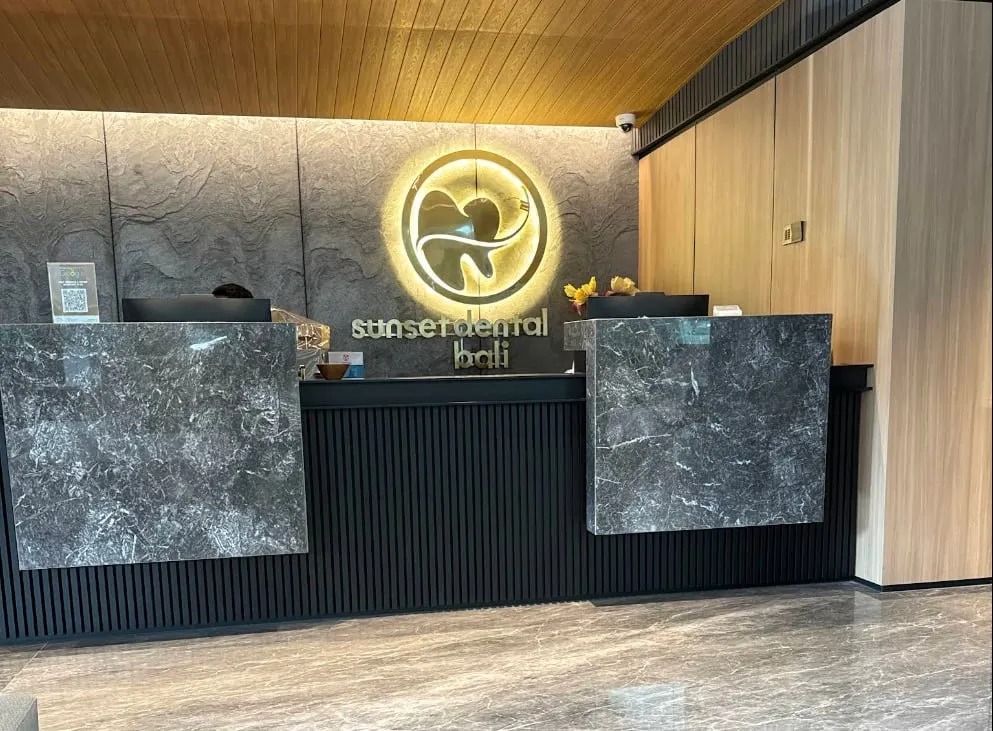
Patients consistently praise the knowledgeable, honest dentists and modern facilities. Popular for aligners, implants, and cleanings. Dual Seminyak and Ubud locations suit travelers across Bali.
Patients consistently praise the knowledgeable, honest dentists and modern facilities. Popular for aligners, implants, and cleanings. Dual Seminyak and Ubud locations suit travelers across Bali.
The best 10 of 26 Bali dental clinics for Ceramage Veneer, with published prices where available. Prices verified April 2026. Data source: clinic websites. Always confirm current pricing with the clinic directly before treatment.
Showing the best 10 of 26 clinics. See all 26 clinics →
Run a dental clinic in Bali? Ask us about being listed on this page
What Is a Ceramage Veneer?
A Ceramage veneer is a thin facing bonded to the front of a tooth, made from a hybrid composite-ceramic material developed by Shofu Dental. It is not porcelain, zirconia, or a glass-ceramic like Emax. Instead it is a distinct category: a light-cured resin packed with micro-fine ceramic particles, sometimes called a ceramo-polymer or hybrid ceramic. Because it does not need the kiln-firing or crystallization step true ceramics require, the final gloss is achieved by surface polishing rather than furnace work. Ceramage polishes to a high shine, resists wear well, and is comparatively gentle on the opposing biting teeth, which some patients and dentists value. It offers good flexural strength for a composite-based material. Ceramage is more affordable than full ceramic veneers, not because it is a lesser version of them, but because it is a genuinely different material with its own strengths and price position. The same material is more commonly used for crowns; see this directory's separate Ceramage Crown page for that use.
What Affects Ceramage Veneer Prices in Bali?
Several factors shape what you pay for Ceramage veneers in Bali. The number of teeth being treated is the biggest driver, since most clinics price per tooth and a full smile makeover multiplies that figure quickly. Lab fabrication matters too: whether the veneer is built and finished in an on-site lab or sent out affects both cost and turnaround. Shade matching adds complexity, especially when a veneer sits next to natural teeth and needs to blend seamlessly, which can call for extra chairside time and finer finishing. The condition of the underlying tooth and any preparation work also play a part. Among the 2 clinics on this page that have published a Ceramage veneer price, the range runs from IDR 2,000,000 to IDR 2,500,000 per tooth, notably below the cost of porcelain, zirconia, or Emax veneers on this directory.
Popular areas for this treatment include Seminyak, Canggu, and Kuta, where most clinics are concentrated.
Related Articles
Price Guides
How Much Do Veneers Cost in Bali? Price Breakdown by Type (2026)
Composite from IDR 1,000,000 to Emax from IDR 4,500,000 per tooth. Full comparison vs Australian prices for every veneer type.
Read more →Guides
Composite vs Porcelain Veneers in Bali: Which Should You Choose?
Cost per year calculation, treatment timeline comparison, and a side-by-side breakdown of every factor that matters for your decision.
Read more →Frequently Asked Questions
Among the 2 clinics on this page with a published price, Ceramage veneers run from IDR 2,000,000 to IDR 2,500,000 per tooth, with an average around IDR 2,250,000. That is notably cheaper than porcelain, zirconia, or Emax veneers on this directory, which typically start well above IDR 4,500,000.
It is made from Ceramage, a light-cured hybrid material that blends micro-fine ceramic particles into a resin base. This is sometimes called a ceramo-polymer or hybrid ceramic. It is not porcelain, zirconia, or a glass-ceramic like Emax; it is its own distinct material category.
Ceramage is manufactured by Shofu Dental, a Japanese dental materials company. The material is used for veneers, crowns, inlays, and onlays.
Porcelain, zirconia, and Emax are all full ceramics or glass-ceramics that need high-temperature firing or crystallization to reach their final strength and finish. Ceramage is a composite-ceramic hybrid that is cured with light and finished by polishing, with no kiln-firing step. It is more affordable and less premium than those materials, but it is a genuinely different material, not a weaker version of them.
No. Although it contains ceramic particles, Ceramage is a resin-based hybrid, not porcelain. Porcelain is a full ceramic that is fired in a furnace, while Ceramage is light-cured and polished. Treating them as the same material would be a mistake.
Ceramage is wear-resistant and has good flexural strength for a composite-based material, and it polishes to a lasting shine. It is not as hard as full ceramics like zirconia or Emax, but its relative gentleness on the opposing biting teeth is a trade-off some patients and dentists appreciate. Your dentist can advise on expected lifespan for your specific case.
The lower price reflects the material itself, not a shortcut in quality. Ceramage is a hybrid composite-ceramic that skips the kiln-firing and crystallization steps full ceramics require, and it is positioned by its maker as a more affordable option. On this directory that shows clearly: Ceramage sits well below porcelain, zirconia, and Emax pricing.
Yes, comparatively. One of Ceramage's noted characteristics is that it is gentler on the opposing biting teeth than harder full ceramics, so it is less likely to wear down the teeth it bites against. This is one reason some dentists choose it in certain cases.
The process is similar to other veneers: the dentist prepares the tooth surface, takes an impression or scan, and the veneer is fabricated to fit. The Ceramage restoration is finished and polished to its final gloss rather than fired in a furnace. Your clinic can walk you through the exact number of visits and timeline, which depends on how many teeth you are treating and their lab workflow.
It can be a strong choice if you want a more budget-friendly veneer and value a material that is gentle on the opposing teeth. It may not suit everyone, especially cases where the extra hardness or translucency of a full ceramic is preferred. The best way to decide is a consultation, where a dentist can assess your teeth and goals against the material's strengths.
Yes. Ceramage is used for crowns, veneers, inlays, and onlays, and crowns are actually its more common use. If you want detail on the crown application, this directory has a separate Ceramage Crown page covering the same material in that context.
Ceramage is a less common veneer material, so not every clinic offers it or has published pricing for it yet. Of the 26 clinics on this page, only 2 currently list a Ceramage veneer price. As more clinics publish their pricing, this comparison will grow. If a clinic you are interested in has no price shown, it is worth contacting them directly, since they may offer it without having listed a rate.
Ready to Compare Clinics?
Browse all 26+ clinics side by side.