The 10 Best Emax Veneer Clinics in Bali (2026)
Chosen from 26 clinics, prices compared.
Updated
An Emax veneer is a thin ceramic shell bonded to the front of a tooth, made from lithium disilicate glass-ceramic rather than traditional porcelain. Patients choose Emax for its combination of high strength and lifelike translucency, which makes it a popular premium option for reshaping worn, chipped, discoloured, or slightly misaligned front teeth. In Australia, Emax veneers typically cost AUD 1,800 to 2,500 per tooth, which is a large part of why so many patients look to Bali. Our directory compares Emax Veneer across 26 clinics in Bali; the 10 best are listed on this page.
Emax Veneer is compared across 26 Bali clinics in our directory; the 10 best are listed on this page. Among those with published pricing, the cost runs IDR 4,500,000 to IDR 6,500,000 per tooth. Two of the top-rated options are Bali Family Dental Care (4.9/5, 510 reviews) and Kalm Dental Care (4.9/5, 231 reviews).
The cheapest emax veneer among the 10 clinics listed here starts at AUD $428 at Cosmodent Dentist Bali.
Cheapest of the 10
AUD $428
Average of the 10
AUD $504
Most Expensive of the 10
AUD $618
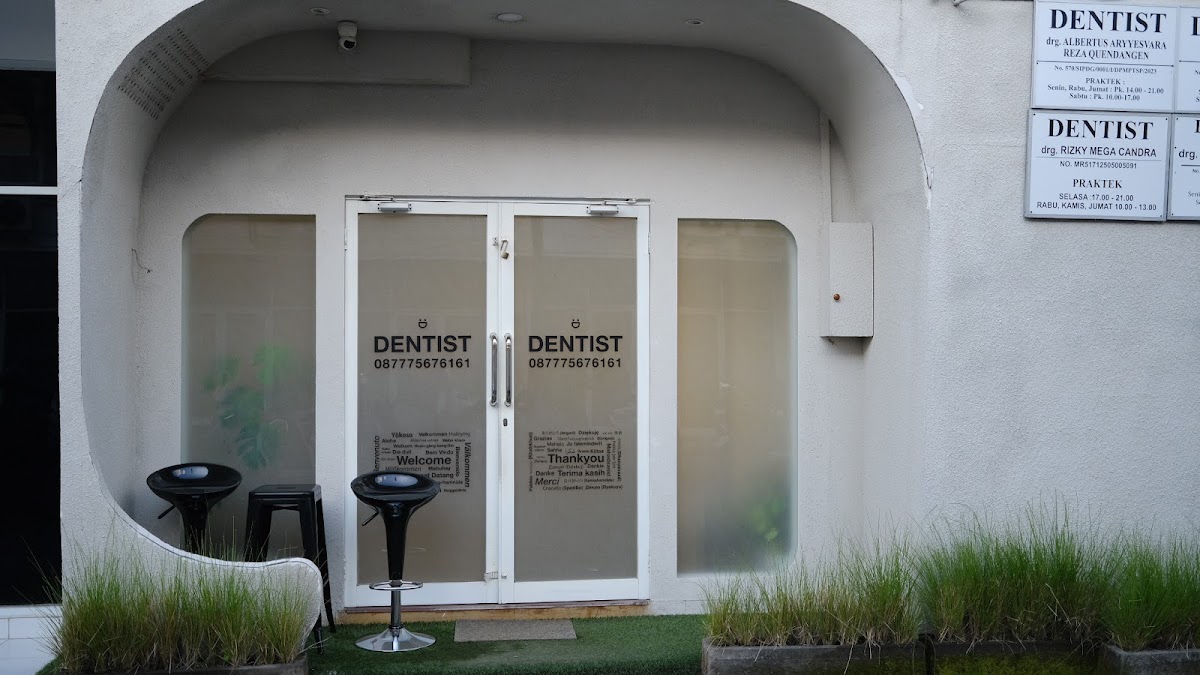
Patients highlight the welcoming, personal approach and attentive doctors who explain every step. Highly rated for crowns, cleanings, and pediatric care. Popular with expats and nervous patients.
Patients highlight the welcoming, personal approach and attentive doctors who explain every step. Highly rated for crowns, cleanings, and pediatric care. Popular with expats and nervous patients.
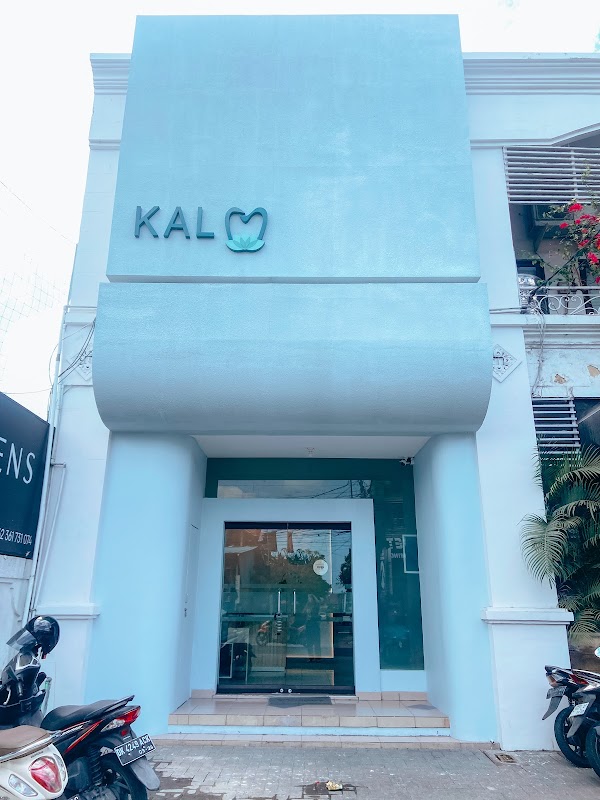
Patients praise the modern, hygienic facilities and gentle, anxiety-free care. Frequently recommended for root canals, veneers, and implants. Multiple reviewers highlight transparent pricing.
Patients praise the modern, hygienic facilities and gentle, anxiety-free care. Frequently recommended for root canals, veneers, and implants. Multiple reviewers highlight transparent pricing.
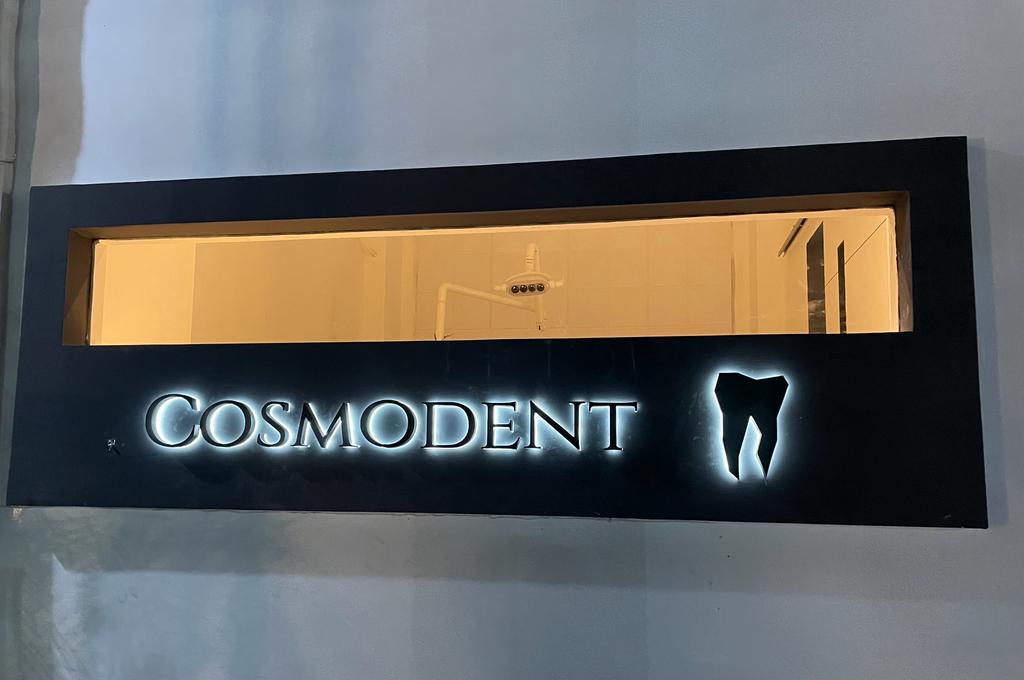
Patients love Dr. Denny's genuine care and attention to creating the perfect smile. Excellent for crowns, veneers, and root canals. Multiple Australians report saving thousands compared to home prices.
Patients love Dr. Denny's genuine care and attention to creating the perfect smile. Excellent for crowns, veneers, and root canals. Multiple Australians report saving thousands compared to home prices.
Reviewers praise the technical competence and communication skills of the dentists. Multiple visitors highlight quality bridge and crown work. Some reviews note billing concerns, so clarify costs upfront.
Reviewers praise the technical competence and communication skills of the dentists. Multiple visitors highlight quality bridge and crown work. Some reviews note billing concerns, so clarify costs upfront.
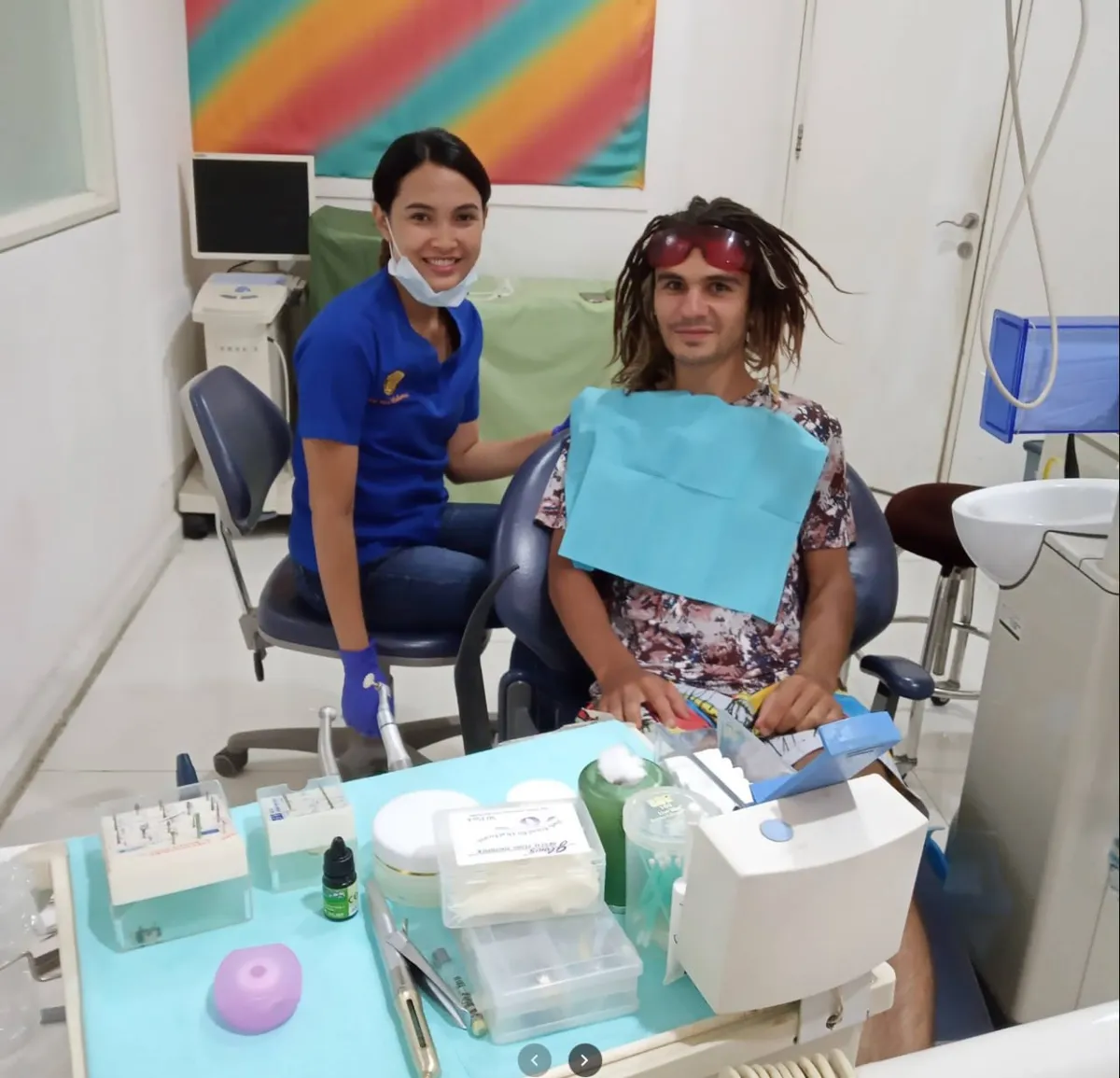
A boutique wellness centre in Ubud with CEREC same-day crowns and Straumann implants. Patients praise Dr. Kumara's professionalism and gentle approach. Ideal for visitors based in the Ubud area.
A boutique wellness centre in Ubud with CEREC same-day crowns and Straumann implants. Patients praise Dr. Kumara's professionalism and gentle approach. Ideal for visitors based in the Ubud area.
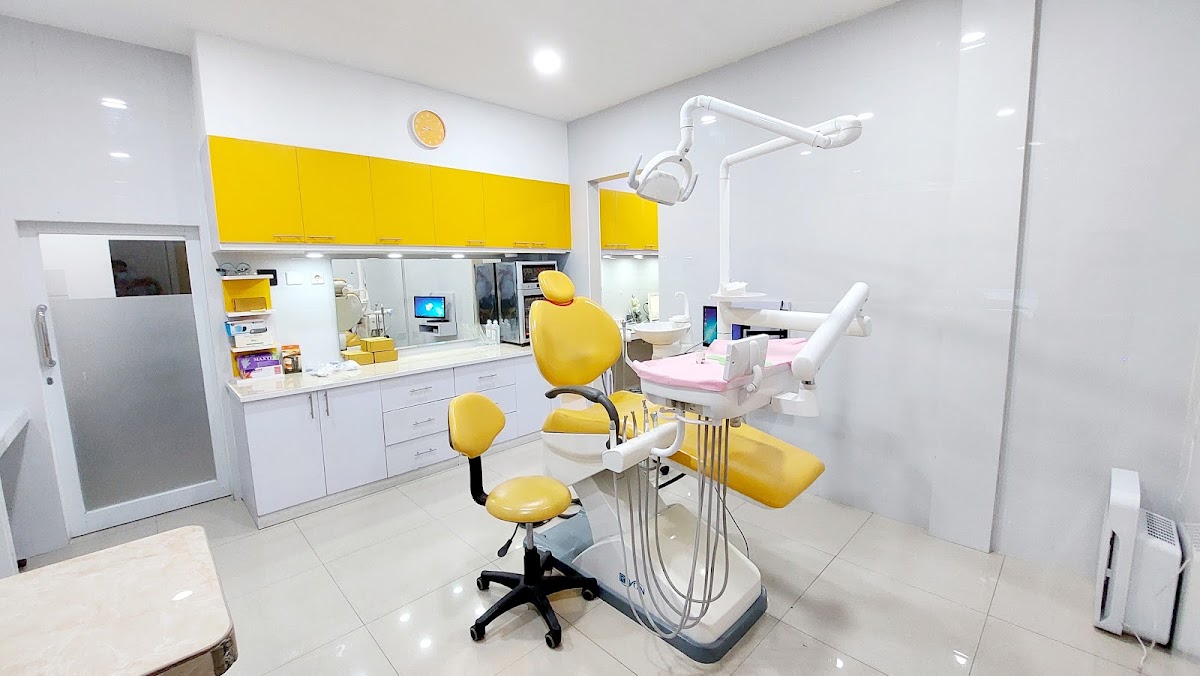
The most-reviewed dental clinic in Bali with 1,400+ reviews. Patients praise Dr. Fajar and Dr. Komang for gentle, detailed treatment. Serves 300+ foreign patients monthly in the Uluwatu area.
The most-reviewed dental clinic in Bali with 1,400+ reviews. Patients praise Dr. Fajar and Dr. Komang for gentle, detailed treatment. Serves 300+ foreign patients monthly in the Uluwatu area.
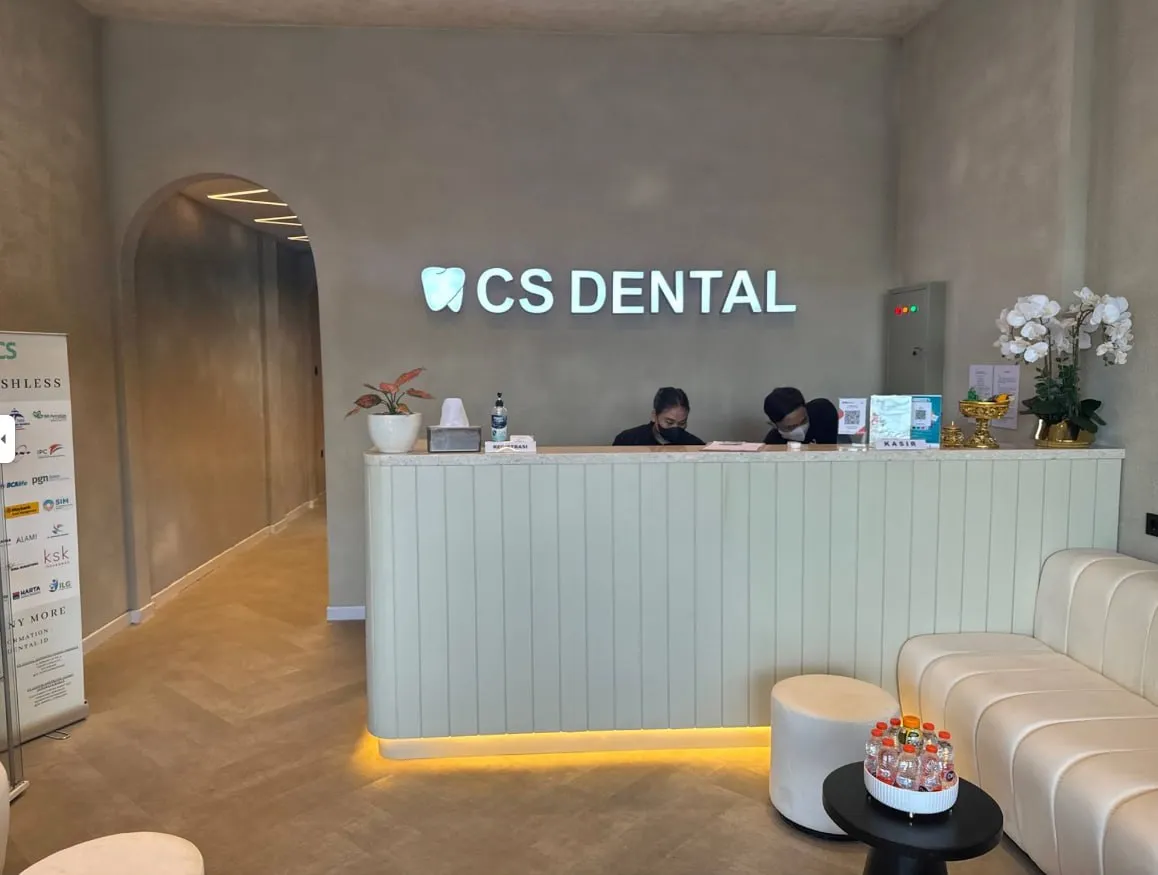
Patients rave about the cozy atmosphere and professional staff. In-house CAD/CAM lab enables precise same-day restorations. The Dental Spa package is a popular treat. Highly rated for implants and cosmetics.
Patients rave about the cozy atmosphere and professional staff. In-house CAD/CAM lab enables precise same-day restorations. The Dental Spa package is a popular treat. Highly rated for implants and cosmetics.
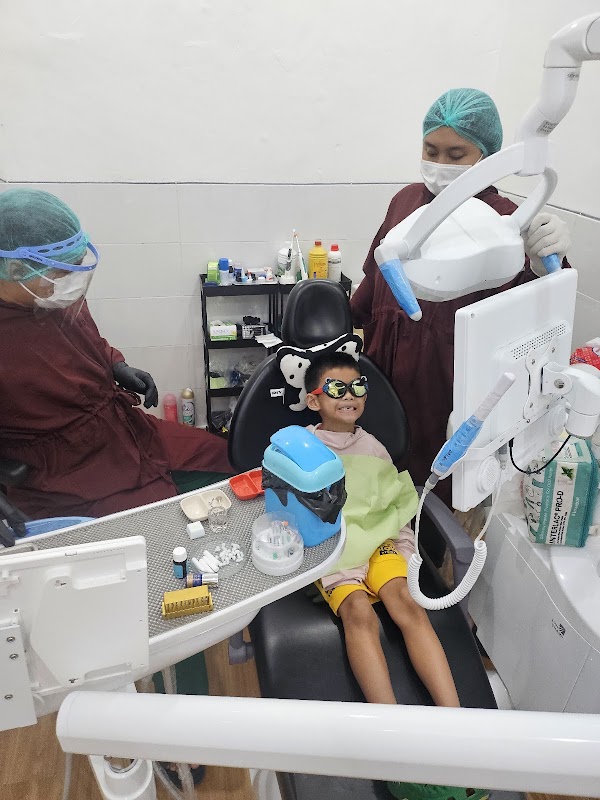
Patients praise the quick, professional service and honest treatment recommendations. The dental spa concept offers a uniquely relaxing experience. Popular for cleanings, emergency care, and root canals.
Patients praise the quick, professional service and honest treatment recommendations. The dental spa concept offers a uniquely relaxing experience. Popular for cleanings, emergency care, and root canals.
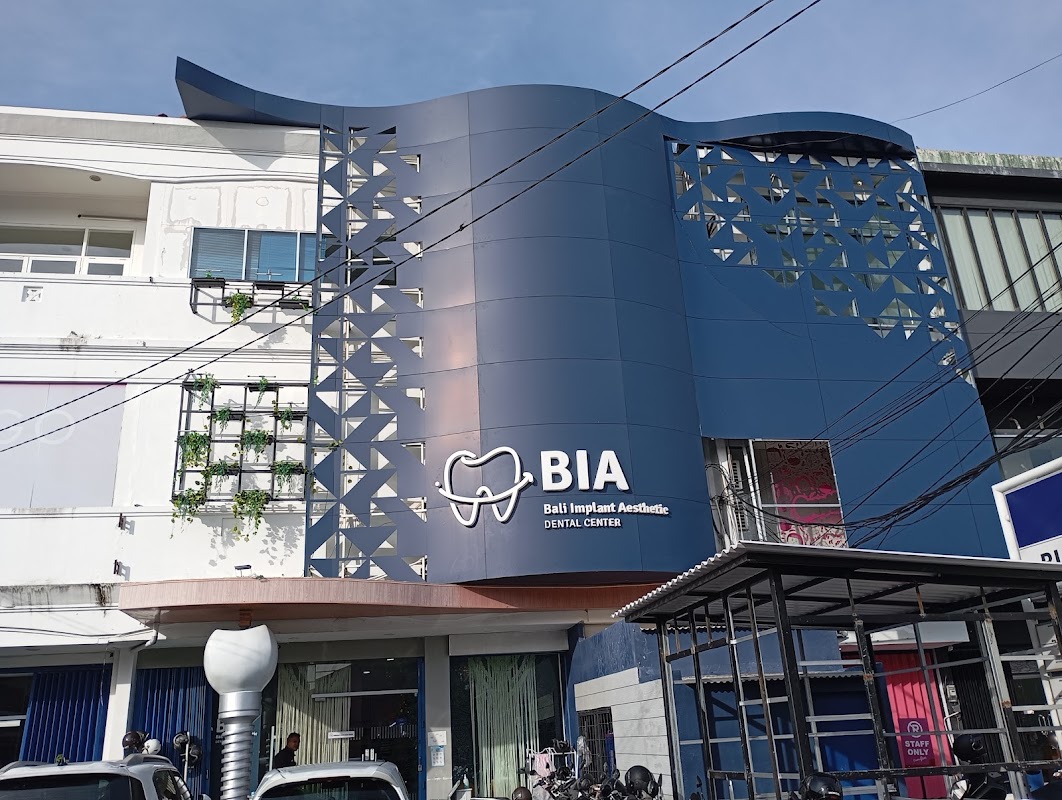
Patients praise the warm welcome, professional doctors, and clean, modern facilities. Highly rated for scaling, smile makeovers, and implants. Excellent follow-up communication from first message to aftercare.
Patients praise the warm welcome, professional doctors, and clean, modern facilities. Highly rated for scaling, smile makeovers, and implants. Excellent follow-up communication from first message to aftercare.
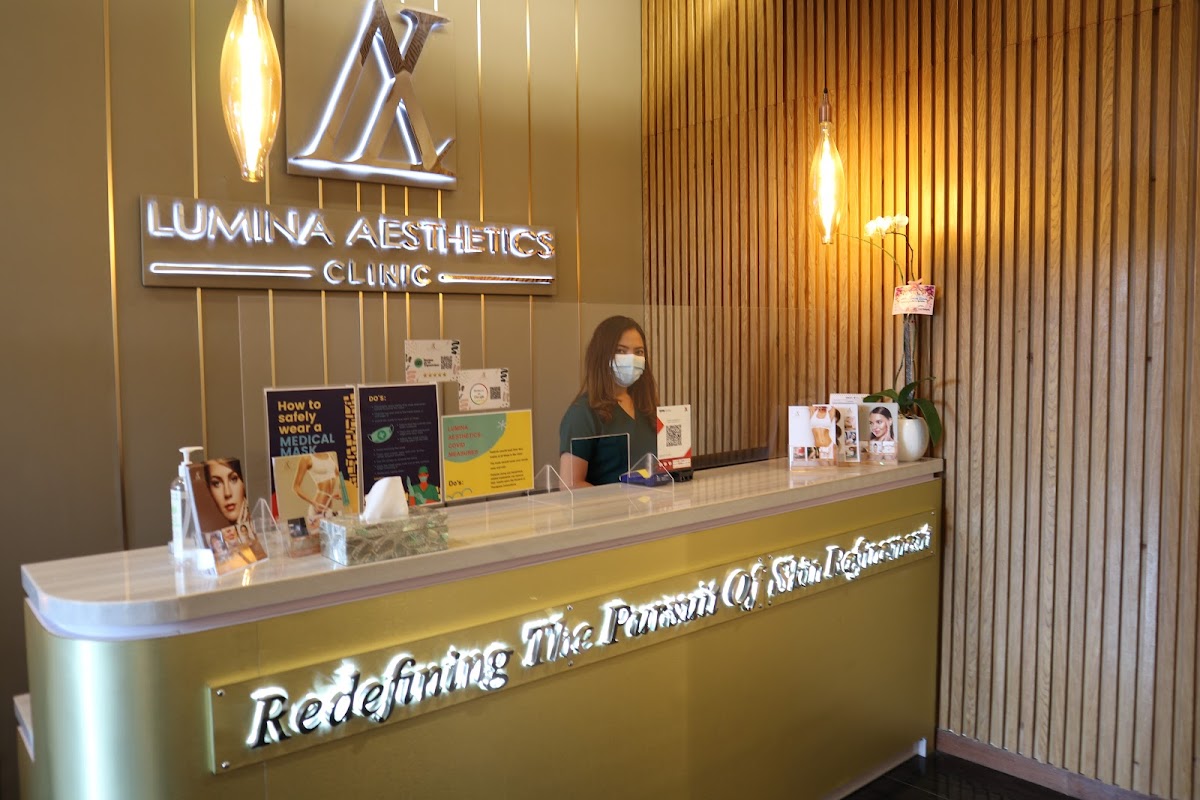
Part of a larger aesthetics clinic with 1,000+ reviews. Patients praise the beautiful, professional facilities. Ideal for visitors combining dental care with cosmetic treatments during their Bali trip.
Part of a larger aesthetics clinic with 1,000+ reviews. Patients praise the beautiful, professional facilities. Ideal for visitors combining dental care with cosmetic treatments during their Bali trip.
The best 10 of 26 Bali dental clinics for Emax Veneer, with published prices where available. Prices verified March 2026. Data source: clinic websites. Always confirm current pricing with the clinic directly before treatment.
Showing the best 10 of 26 clinics. See all 26 clinics →
Run a dental clinic in Bali? Ask us about being listed on this page
What Is an Emax Veneer?
An Emax veneer is made from IPS e.max, Ivoclar Vivadent's lithium disilicate glass-ceramic. It sits in the same broad ceramic veneer family as traditional porcelain, but it is a distinct material with its own chemistry and structure, not simply a type of porcelain. Its defining trait is strength: lithium disilicate is roughly two to three times stronger than traditional feldspathic or leucite porcelain, while still offering the strong translucency that lets a veneer catch light the way natural enamel does. Emax veneers can be pressed from ingots or milled from ceramic blocks using CAD/CAM equipment, and the fabrication route a clinic uses can affect both fit and cost. Because the material is so strong, in suitable cases a clinician may be able to prepare the tooth with slightly less reduction than a comparable traditional porcelain veneer would need, though this always depends on the clinical situation. Well cared for, Emax veneers commonly last around 12 to 15 years or longer, a little beyond what is typical for standard porcelain, thanks to that added strength.
What Affects Emax Veneer Prices in Bali?
The biggest driver is the number of teeth being treated, since most patients want a matched set across the smile line rather than a single veneer. Beyond count, prices reflect how the clinic fabricates the ceramic: in-house CAD/CAM milling and same-visit workflows carry different costs than pressed veneers sent to an external lab. Lab quality matters too, as a skilled ceramist hand-layering and characterising each veneer commands more than a basic finish. Shade complexity is another factor, because matching a single veneer to surrounding natural teeth, or building subtle gradients across several units, takes more chair time and artistry than a uniform bright shade. Finally, the dentist's experience with cosmetic cases and the clinic's location and overheads feed into the quoted price. Among the clinics on this page that have published an Emax veneer price, the range runs from IDR 4,500,000 to IDR 6,500,000 per tooth, with an average of roughly IDR 5,300,000.
Popular areas for this treatment include Seminyak, Canggu, and Kuta, where most clinics are concentrated.
Related Articles
Guides
Emax Veneers in Bali: The Lithium Disilicate Deep Dive (2026)
A single-material deep dive on Emax veneers: lithium disilicate durability, the digital minimal-prep workflow, survival data, and per-clinic prices from IDR 4,500,000.
Read more →Price Guides
How Much Do Veneers Cost in Bali? Price Breakdown by Type (2026)
Composite from IDR 1,000,000 to Emax from IDR 4,500,000 per tooth. Full comparison vs Australian prices for every veneer type.
Read more →Frequently Asked Questions
Among the clinics on this page that have published a price, Emax veneers run from IDR 4,500,000 to IDR 6,500,000 per tooth, with an average of roughly IDR 5,300,000. The exact figure depends on the clinic, how the veneer is fabricated, and how many teeth you are treating. For comparison, Emax veneers in Australia typically cost AUD 1,800 to 2,500 per tooth.
It is a thin ceramic shell bonded to the front surface of a tooth, made specifically from IPS e.max lithium disilicate glass-ceramic. It is used to improve the shape, colour, and alignment of front teeth, and it is prized for pairing very high strength with natural-looking translucency.
Both are ceramic veneers, but they are different materials. Traditional porcelain veneers are made from feldspathic or leucite ceramics, while Emax is lithium disilicate glass-ceramic. Emax is roughly two to three times stronger than traditional porcelain, which is why many clinics offer it as a premium step up. It is not simply a type of porcelain, it is a related but separate material in the same ceramic family.
With good oral hygiene and regular check-ups, Emax veneers commonly last around 12 to 15 years or longer. That is a little beyond what is typical for standard porcelain, largely because lithium disilicate is a stronger material and more resistant to chipping and fracture.
Yes. One of the main reasons patients choose Emax is that lithium disilicate offers strong translucency, so the veneer transmits light in a way that closely mimics natural enamel. A skilled ceramist can also layer and characterise the ceramic to match the shade and surface detail of your surrounding teeth.
Emax can be produced two ways: pressed from ceramic ingots under heat and pressure, or milled from solid ceramic blocks using CAD/CAM equipment. Some clinics mill veneers in-house for faster turnaround, while others press them or work with an external dental lab. Both routes use the same lithium disilicate material.
Typically the dentist assesses your teeth and plans the shade and shape, then prepares the tooth surface by removing a small amount of enamel to make room for the veneer. An impression or digital scan is taken, the veneer is fabricated, and at a later visit it is bonded to the tooth with dental adhesive and cured. Some clinics with in-house milling can shorten this to fewer visits.
Placing a veneer usually involves removing a thin layer of enamel, which is irreversible, so it is a considered decision. That said, because Emax is very strong, in suitable cases a clinician may be able to prepare the tooth with slightly less reduction than a comparable traditional porcelain veneer would require. How much enamel is removed always depends on your specific clinical situation, so discuss it with your dentist.
Emax veneers suit patients with generally healthy teeth and gums who want to improve the appearance of chipped, worn, discoloured, or slightly misaligned front teeth. They are a strong choice for people who want durability alongside a natural, translucent finish. A dentist will check for issues such as active decay, gum disease, or heavy grinding before recommending them.
Yes. Lithium disilicate, the material Emax is made from, is roughly two to three times stronger than traditional feldspathic or leucite porcelain. That added strength is a key reason clinics position Emax as a premium option and part of why it tends to cost more than standard porcelain.
The lithium disilicate material itself is more expensive, and the fabrication, whether pressed or milled, and the ceramist's finishing work add to the cost. Clinics generally treat Emax as a premium tier above traditional porcelain, reflecting its greater strength and its aesthetic qualities, so the quoted price is usually higher for Emax than for a standard porcelain veneer at the same clinic.
Our directory tracks 26 clinics in total, but only some have published a specific Emax veneer price, and those appear with a figure among the 10 best listed here. Others may offer Emax without publishing a set price, or may only quote after an in-person consultation. If a clinic you are interested in has no price shown, contact them directly for a current quote.
Ready to Compare Clinics?
Browse all 26+ clinics side by side.